
Key Takeaways
Hypospadias is a congenital condition characterized by the male urethra opening on the underside of the penis rather than at the tip. The severity of this condition varies depending on the location of the opening. Often, a mix of genetic and environmental factors plays a role, particularly hormonal influences during pregnancy.
This condition falls into three categories: distal, mid-shaft, and proximal, each with unique challenges regarding treatment and complications. Decisions about surgical intervention may hinge on both severity and the specific location of the urethral opening.
It’s vital for parents and healthcare professionals to recognize hypospadias early, allowing for timely management that can mitigate complications impacting urinary function and physical growth. Regular newborn screenings frequently lead to early identification.
Hypospadias can have serious physical consequences, including compromised urinary function, which may affect a child’s overall health and self-image. Corrective surgery is usually recommended between 6 to 18 months of age, aligning with developmental milestones.
On the psychosocial side, hypospadias might bring about emotional challenges such as embarrassment or anxiety. Open conversations within the family and counseling can significantly benefit a child’s emotional well-being. Normalizing discussions about the condition plays a crucial role in building self-acceptance.
Continuous medical care remains essential for children with hypospadias. Regular check-ups can help address any emerging urinary and sexual health issues. Additionally, community support can bolster family resilience during this journey.
Innovative surgical techniques and treatments for hypospadias are progressing rapidly. These advancements offer hope for improved outcomes with less invasive procedures. Staying updated on new treatment options is critical for families seeking effective solutions.
The Essentials of Hypospadias: What to Know
Defining Hypospadias: Key Characteristics and Causes
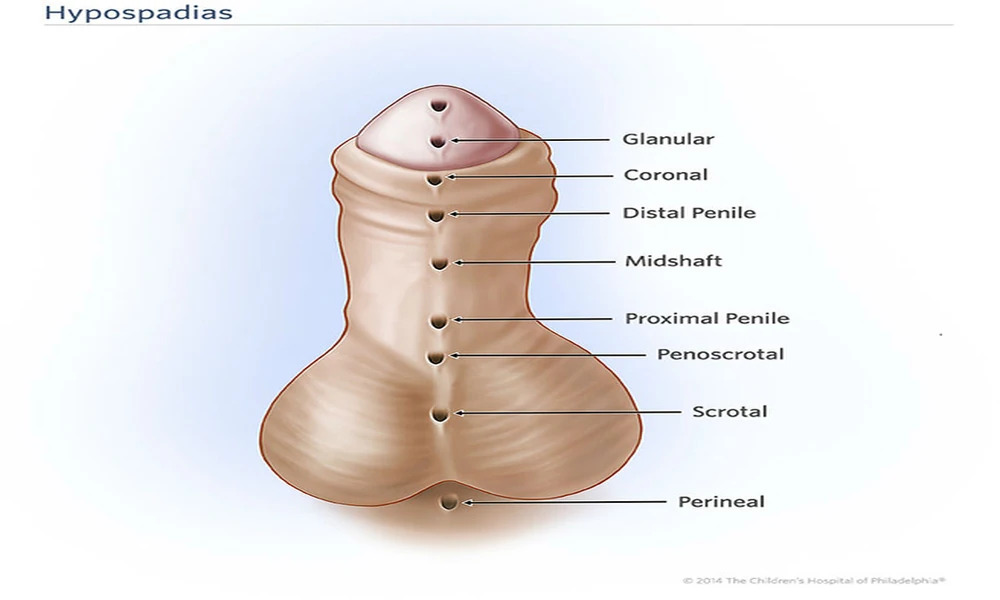
This congenital condition affects the male urethra, causing the opening to occur along the underside of the penis rather than at the tip. Such misplacement can result in various complications and is categorized by the opening’s position. It spans from mild cases, where the opening is slightly lower than usual, to severe instances where it may be near the penis’s base or even in the scrotum.
Research points to a combination of genetic and environmental factors as causing hypospadias. Genetic factors, particularly in families with a history of the condition, often see recurrent cases in new generations. Hormonal influences during pregnancy, especially concerning testosterone, may also impact urethra development in utero.
Grasping the nuances of hypospadias allows parents and caregivers to respond appropriately. Sometimes, a lack of understanding leads to unnecessary stigma or fear associated with this condition. Accurate information is, therefore, crucial.
Different Types of Hypospadias: Recognizing the Variants
Hypospadias manifests in various distinct types, primarily classified as:
- Distal hypospadias: The most frequently seen form, where the urethra opens near the penis’s head.
- Mid-shaft hypospadias: The opening is situated along the shaft, further down, but still on the penis.
- Proximal hypospadias: This type has the urethral opening at the base of the penis, which could lead to additional complications.
Each hypospadias type presents its own distinct challenges and treatment considerations. The surgical approach may vary based on location, severity, and associated penile problems, including chordee, a curvature of the penis.
The Importance of Early Diagnosis: Why It Matters
Timely diagnosis is crucial for managing hypospadias effectively. When parents are informed about their child’s condition, they can make well-informed health decisions. If diagnosis is delayed, complications could arise, affecting urinary function and physical development, which can have lasting effects on the child’s health.
Often, hypospadias is detected during standard newborn examinations. Parents must advocate for additional evaluations if they notice any concerning signs. This proactive stance helps medical professionals prepare for necessary surgical procedures.
Impact on Health and Development: What Parents Should Consider
Physical Implications of Hypospadias: Beyond Aesthetics
Beyond mere aesthetics, the physical implications of hypospadias can be significant. Impaired urinary function stands as one of the most pressing issues. Depending on the type of hypospadias, urinary flow could be affected, possibly leading to infections and other complications.
Corrective surgery is typically suggested when the child is between 6 and 18 months old, aligning with various developmental milestones. Parents should also gear up for post-surgery care, which often includes watching for infections and managing pain-key factors for encouraging optimal recovery.
- Urinary issues: Without corrective action, incontinence or urination difficulties may develop.
- Sexual function: In severe cases, the condition could impact sexual function if not addressed early on.
- Physical development: A child’s self-image and confidence may be tied to how the condition physically manifests.
Psychosocial Effects: Emotional Well-Being and Development
The implications of hypospadias aren’t just physical; they extend into psychological realms as well. Children may have varied emotional reactions, particularly depending on the visibility of their condition to their peers. Such visibility can foster feelings of embarrassment or anxiety, feelings often intensified by societal expectations regarding body image.
Experts advocate for fostering open dialogues about the condition. Families can champion this by normalizing conversations related to health and self-acceptance. Children who feel understood are likely to achieve more favorable emotional health outcomes.
Involving trained counselors or specialists can also be beneficial. These professionals are equipped to tackle sensitive subjects and can provide families with strategies to navigate complex emotional landscapes.
Long-Term Considerations: Managing Health Outcomes
For those managing hypospadias, long-term follow-up becomes essential. Regular check-ups serve to address any new issues related to sexual or urinary health. Untreated hypospadias can have far-reaching physical impacts that may escalate into adulthood, influencing not just health, but emotional well-being and personal relationships.
Healthcare professionals recommend that families stay engaged with their child’s health journey. Participation in support groups or forums tailored for parents facing similar challenges can provide significant benefits.
- Sustained medical care: Regular monitoring can identify complications early.
- Psychological support: Mental health resources play a crucial role for both child and family.
- Community education: Raising awareness about hypospadias can foster better societal understanding.
Treatment Options for Hypospadias: Finding the Right Approach
Understanding Surgical Interventions: Types and Techniques
Surgical intervention typically constitutes the core of hypospadias treatment. While specific procedures may vary depending on the severity of the condition, different techniques address the various locations of the urethral opening. Common surgeries include:
- Meatoplasty: Adjusting or creating the urethral opening to enhance function.
- Urethroplasty: Reconstructing the urethra to properly position it along the penis.
- Graft procedures: In some cases, skin grafts from other areas may be utilized to create or extend the urethra.
Surgeons may employ a variety of techniques to suit the individual needs of each child. Consulting with specialists emphasizes the importance of understanding nuances within these surgical options.
Post-Operative Care: Ensuring Optimal Recovery
Post-surgical care requires careful attention. Following the surgeon’s guidelines closely is critical for ensuring a smooth recovery process. Typical recommendations include:
- Managing pain through prescribed medications
- Monitoring for symptoms of infection, such as unusual swelling or discharge
- Maintaining proper hygiene to support healing and avoid complications
Parents should stay attentive to any changes in their child’s behavior or signs of discomfort. Open dialogue with healthcare providers can facilitate quick responses to any concerns.
Alternative Treatments and Therapies: What Families Should Explore
While surgery usually serves as the primary solution, exploring alternative therapies may complement traditional treatments. Some families report positive outcomes through:
- Holistic approaches: Some focus on their child’s overall health through natural remedies or dietary adjustments.
- Physical therapy: Gentle exercises may support enhanced function.
- Psychotherapy: This can provide emotional support and coping strategies as the child develops.
These options may not be suitable for everyone, yet they offer valuable resources. An open mindset towards complementary methods might enhance overall health outcomes.
Expert Insights: Supporting Families through the Journey
Connecting with Specialists: The Role of a Hypospadias Center
Accessing specialized care can transform the management of hypospadias. Families can gain significant advantages by connecting with a dedicated Hypospadias Center, where specialized teams focus on tailored treatment protocols. These centers typically bring together a group of experts, including surgeons, urologists, and psychologists.
This collaborative effort promotes a comprehensive care approach, addressing both physical and emotional needs. Parents should prioritize institutions that possess credentials specifically aimed at treating penile problems and associated conditions.
Resources for Families: Where to Find Support
Support networks play a valuable role in helping families navigate the complexities associated with hypospadias. Numerous organizations offer resources ranging from informational guides to direct support services. As children grow, connecting with these resources becomes increasingly vital, transitioning from addressing physical healing to meeting emotional and educational needs.
- Support groups: Connect with others navigating similar challenges.
- Online forums: Share experiences, seek guidance, and ask questions.
- Educational resources: Utilize literature or seminars focusing on health management.
Such avenues provide both community and knowledge, reinforcing that families are not alone on this journey.
Future Perspectives: Advancements in Hypospadias Treatment
As medical technology progresses, so too does the methodology for treating hypospadias. There’s growing optimism surrounding innovative surgical techniques and therapies that promise better outcomes. Research continues to evolve existing treatment protocols, with a focus on reducing the invasiveness of surgeries and shortening recovery times.
Advancements in treatment are leaning towards less invasive options, leading to quicker recovery and improved quality of life.
Families are encouraged to stay informed about emerging developments in the field. The conversation surrounding hypospadias treatment expands as more families share their experiences, enhancing understanding for all involved. Knowledge in the hands of informed caregivers translates to better health trajectories.
With ongoing research and specialist care, the future appears promising for those affected by hypospadias.
FAQ
What are the long-term effects of hypospadias on adult health?
As children with hypospadias reach adulthood, they might encounter complications like urinary incontinence or challenges with sexual function. Regular follow-up with healthcare professionals serves to manage these potential concerns, promoting a proactive approach toward lifelong health.
How can parents advocate for their child’s needs related to hypospadias?
Advocacy entails clear communication with healthcare providers regarding concerns, arranging necessary screenings, and finding specialists well-versed in hypospadias. Active engagement in the child’s health journey enhances understanding and may lead to improved outcomes.
What supportive measures can improve emotional well-being for children with hypospadias?
Nurturing emotional support through open conversations at home and involving mental health professionals can considerably enhance a child’s coping strategies. Developing friendships and fostering peer support also positively impacts their self-esteem and emotional growth.
Are there any dietary considerations for children undergoing treatment for hypospadias?
While diet itself may not directly relate to hypospadias, maintaining balanced nutrition can be beneficial for overall health. Ensuring a child’s diet is rich in essential vitamins and minerals can further support their recovery and overall well-being, especially following surgery.
How can families effectively engage with support networks or organizations?
Participating in support groups, joining online forums, and attending educational seminars are excellent ways for families to share experiences and gather insights. Active involvement fosters community and provides emotional support throughout the journey.
What role do specialists play in managing hypospadias?
A team of specialists-including pediatric urologists, surgeons, and psychologists-collaborates to design personalized treatment plans. Their coordinated efforts ensure a holistic approach addressing both physical and emotional aspects of care.
What are some compelling technologies or innovations in hypospadias treatment?
Techniques such as minimally invasive surgery are gaining traction, emphasizing reduced trauma and quicker recovery periods. Families should keep abreast of these technological advancements, as they may introduce new possibilities for effective treatment and improved patient experiences.
How can parents prepare their child for surgery related to hypospadias?
Preparation involves providing age-appropriate education about the procedure, focusing on expectations, and alleviating fears. Engaging with healthcare providers to discuss the surgical process can also help ease anxiety and build trust.
Useful Resources
- Mayo Clinic – Comprehensive resources on various health conditions, including congenital abnormalities such as hypospadias.
- American Academy of Pediatrics – Offers guidelines and resources on pediatric health and development.
- National Center for Biotechnology Information – Access to a vast collection of medical papers and articles on congenital conditions and urology.
- Children with Diabetes – Provides support and resources for children’s health conditions.
- Centers for Disease Control and Prevention (CDC) – Public health information on congenital disorders and their implications.
- Urology Care Foundation – Information specific to urological health issues in children.
- March of Dimes – Support for families facing health challenges during pregnancy and childhood, with a focus on congenital conditions.
- Psychology Today – Mental health resources aimed at supporting child anxiety and emotional well-being.
- SupportGroups.com – A platform to connect with others facing similar health challenges and offer mutual support.