
Whether it comes from long hours at a desk, a weekend football match or years of wear on your joints, pain can make even familiar routines feel difficult. Many people in Singapore manage it with rest, painkillers or physiotherapy. Some also turn to Traditional Chinese Medicine (TCM) as part of their recovery, either on its own or alongside other care.
If you have never tried TCM for pain before, it is natural to wonder how it works and what a session involves. Here is a straightforward guide to help you know what to expect.
How TCM Looks at Pain
In TCM, pain is often linked to blocked or poorly flowing qi (energy) and blood. When circulation through the body’s meridians is disrupted, practitioners believe stiffness, aches and discomfort can follow. Treatment aims to encourage smoother flow and support the body’s own healing process.
TCM also considers the person as a whole, rather than only the sore spot. Your sleep, stress levels, posture and everyday habits may all form part of the discussion. That is why your first consultation could include questions that seem unrelated to your shoulder or knee.
Common Types of Pain Treated With TCM
People seek TCM care for many kinds of pain, including:
- Neck and shoulder stiffness from desk work
- Lower back pain
- Knee and joint discomfort
- Headaches linked to tension
- Muscle strains and sprains
A TCM clinic for pain management will usually begin by asking where the pain is, how long you have had it and what seems to make it better or worse. You may also be asked about previous injuries and how the discomfort affects ordinary activities, such as sitting at work or climbing stairs. The practitioner then uses this information to suggest a plan, which may involve one treatment or a combination over several sessions.
Treatments You May Receive
Acupuncture. Thin, sterile needles are placed at selected points on the body. Most people feel only a light prick or a dull, heavy sensation. Acupuncture is widely used to ease muscle tension and support pain relief. If you are unsure about needles, let the practitioner know before treatment begins.
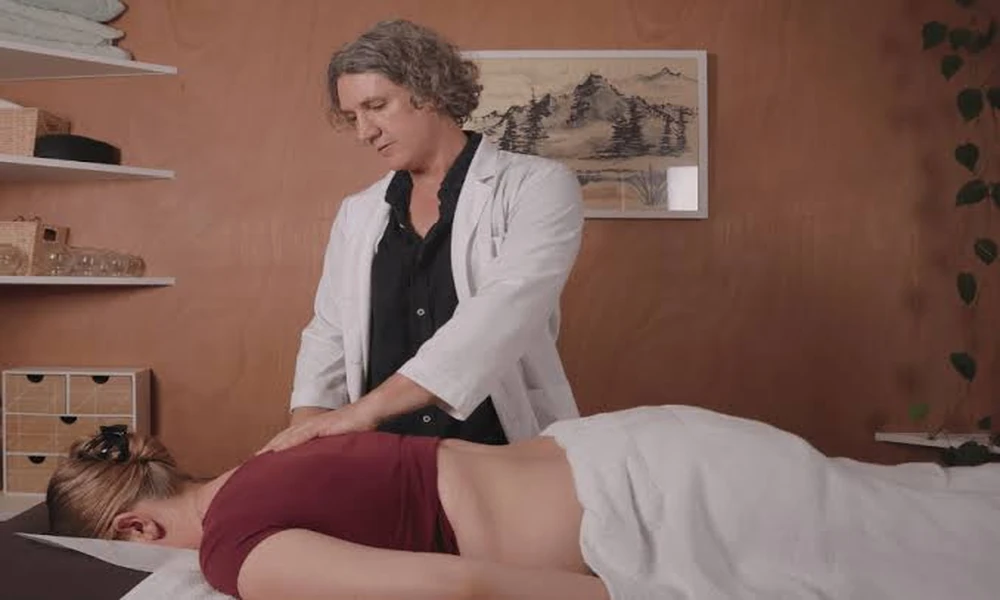
Tuina. This hands-on therapeutic massage targets muscles, tendons and acupoints. It can feel firm, but a good practitioner will adjust the pressure to your comfort level.
Bone adjustment. Gentle techniques are used to improve joint alignment and movement, often for back, neck and posture-related issues.
Herbal support. Some practitioners recommend herbal formulas or external herbal applications based on your body constitution. Ask how this fits into your plan, particularly if you are already receiving other care.
TCM and Sports Injuries
Active people, from casual joggers to serious athletes, often deal with strains, sprains and overuse injuries. Many use TCM alongside rest and conventional care as they work towards moving comfortably again.
A TCM clinic for sports injury typically focuses on easing tension around the injured area, improving circulation and restoring range of motion. Acupuncture and tuina are commonly used. Practitioners may also share stretches or lifestyle advice to help reduce the chance of the same injury returning.
Timing matters with sports injuries. For a fresh, serious injury, such as a suspected fracture, torn ligament or severe swelling, see a medical doctor first. TCM is often most useful during the recovery stage or for stubborn, recurring aches.
What to Expect From Your First Visit
Your first session usually begins with a consultation. The practitioner may ask about your symptoms and medical history, check your pulse and look at your tongue, which are traditional diagnostic methods in TCM. Treatment may follow on the same day, although you can ask questions before deciding to proceed.
After treatment, some people feel immediate relief, while others notice gradual improvement over several sessions. Mild soreness after tuina or acupuncture is normal and usually fades within a day or two. Drink water, rest well and avoid heavy exercise straight after your session.
Choosing the Right Clinic
If you are looking for the best TCM clinic in Singapore for pain or injury care, check that practitioners are registered with the TCM Practitioners Board. Ask about their experience with conditions like yours and make sure they explain the treatment plan clearly. A clinic that listens carefully, respects your comfort and adjusts treatment as you progress is usually a good sign.
Final Thoughts
TCM offers a gentle, whole-body approach to pain and sports recovery. It is not a quick fix, and results vary from person to person, but many people find it a helpful part of staying active and comfortable. Combine it with good posture, regular movement and proper rest, and listen to your body as it heals.