
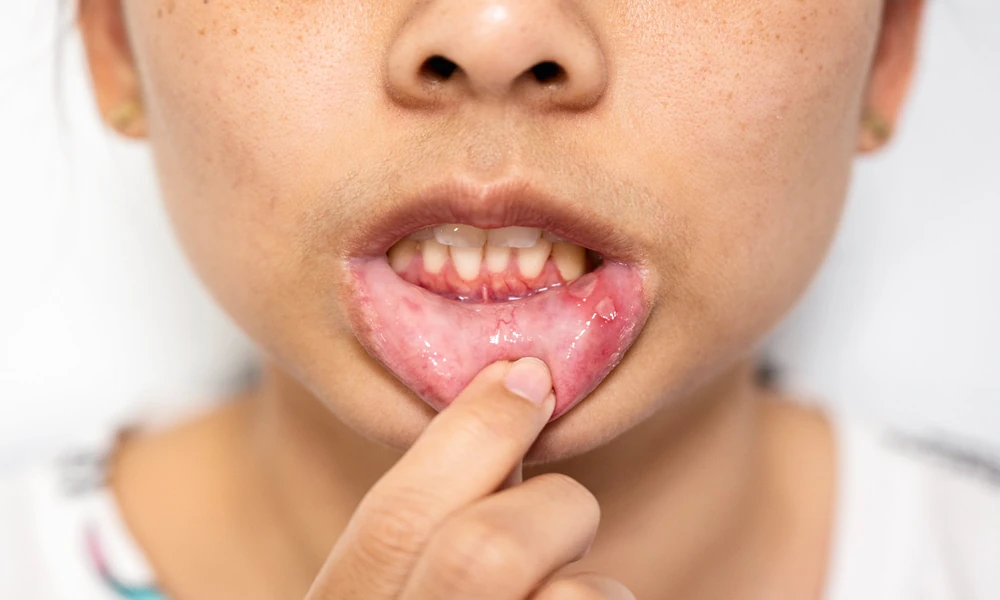
You see it before your child can explain it. They stop eating the foods they usually love, they wince when they drink juice, and bedtime turns into tears because even brushing hurts. A mouth sore flare up can throw off the whole day, and when your child is hurting, you feel it too. You want fast relief, but you also do not want to make it worse. A kids dentist in West Covina, CA can help you find the right care and comfort for your child.
The good news is that most mouth sores in children can be managed with gentle care at home while you watch for signs that a pediatric dentist should step in. Whether you are dealing with canker sores, irritation from biting the cheek, or fever blisters, comfort comes from lowering pain, avoiding triggers, and keeping the mouth clean without adding more sting.
Mouth sore pain affects eating, sleep, and mood fast
A small sore inside the mouth can feel huge to a child. It rubs against teeth, lights up when anything salty or acidic touches it, and can make normal things like talking, swallowing, and brushing feel like too much. That is why kids with mouth sores often seem cranky, tired, or unusually clingy. They are not overreacting. Their mouth hurts every few minutes.
Some sores heal on their own in a week or two. The challenge is getting your child through those days with less pain and less stress. The MedlinePlus overview of mouth sores explains that sores can come from irritation, infection, or other health issues, which is why patterns matter. If your child gets them often, or if they come with fever, swelling, or trouble drinking, it is time to look closer.
Keeping a child comfortable during oral sore flare ups starts with gentle choices
The first shift is simple. Stop anything that adds friction or sting. Hard chips, citrus, tomato sauce, spicy foods, and fizzy drinks can turn one sore into an all day complaint. Offer cool, soft foods instead. Yogurt, applesauce, mashed potatoes, smoothies, scrambled eggs, oatmeal, and ice pops usually go down easier. If using a straw hurts because the sore is near the lips or cheeks, skip it.
Hydration matters more than parents sometimes realize. A child who drinks less because it hurts can get dry fast, and dryness makes the mouth feel worse. Cold water, milk, or a bland smoothie often works better than juice. If your child refuses several drinks in a row, that is a sign to pay attention.
Brushing can also become a battle. Keep it gentle, not optional. Use a soft toothbrush and a small amount of mild toothpaste if mint burns. A clean mouth lowers the chance of more irritation from plaque or food debris. For fever blisters and canker sores, the National Institute of Dental and Craniofacial Research notes that these sores have different causes, which helps explain why one child may have a sore inside the mouth while another has blisters around the lips.
7 ways to ease mouth sore discomfort at home
1. Serve cold, soft foods. Cool temperatures can calm the area and soft textures reduce rubbing.
2. Skip acidic and spicy foods. Orange juice, salsa, and tomato based foods often sting right away.
3. Encourage frequent sips of water. Moist tissues feel better, and hydration supports healing.
4. Use a soft toothbrush. Gentle brushing keeps the mouth cleaner without scraping the sore.
5. Protect sleep. Pain tends to feel bigger at night. A calm bedtime routine and pain relief recommended by your child’s doctor can help.
6. Watch for accidental re injury. Kids may keep biting the same cheek or picking at a lip sore because it feels strange.
7. Know when home care is not enough. If sores are large, frequent, paired with fever, or your child is not drinking, call a dental or medical professional.
Home comfort and professional care each have a place
| Approach | Best For | Benefits | Limits |
|---|---|---|---|
| Cold, soft foods and water | Mild pain during meals | Easy relief, lowers stinging, supports hydration | Does not address the cause of repeated sores |
| Gentle oral hygiene | Sores irritated by plaque or food debris | Keeps the mouth cleaner, may prevent added irritation | Can still hurt if the sore is large or in a hard to reach spot |
| Avoiding trigger foods | Canker sores and irritated tissues | Reduces flare ups during healing | Relief depends on how careful meals and snacks are |
| Child mouth sore relief from a pediatric dentist | Frequent sores, severe pain, unclear cause | Helps identify trauma, bite issues, infection, or other concerns | Requires an appointment if symptoms are not urgent |
Parents often try home care for a day or two, then wonder if they waited too long. A good rule is this. If your child is still drinking, the sore is getting no worse, and there are no other symptoms, supportive care is reasonable. If pain keeps your child from eating or drinking, if sores last beyond two weeks, or if they return often, mouth sore care for children should include a professional evaluation.
Simple steps can lower stress right away
Create a safe food list. Pick five or six foods your child can tolerate and stick with them for a couple of days. Familiar, bland choices reduce mealtime fights and help you track whether eating is improving.
Check the pattern. Notice where the sore is, how long it has been there, and what happened before it showed up. A cheek sore after accidental biting is different from repeated round sores inside the lips. That detail helps a pediatric dental visit move faster and with less guesswork.
Set a clear line for calling. Reach out if your child has fever, swelling, bad breath with worsening pain, trouble swallowing, signs of dehydration, or sores that keep coming back. A root cause like irritation from teeth, orthodontic appliances, or another health issue may need treatment, not just comfort care.
You are not overreacting by taking mouth pain seriously. Kids eat, sleep, and regulate their emotions through routines, and mouth sores disrupt all of it at once. With soft foods, gentle cleaning, hydration, and careful watching, many flare ups become much easier to manage. If your child’s pain is strong, keeps returning, or does not heal as expected, contact a pediatric dentist for guidance and next steps.