
Most TCM treatment is not limited to one method. A physician usually combines a few approaches into one plan based on the patient’s needs. TCM Treatment Singapore includes acupuncture, Tuina, and herbal medicine, with each part doing a different job. Using these approaches together can address various aspects of the same concern and provide the physician with more ways to support the patient’s recovery.
What Each Part Does
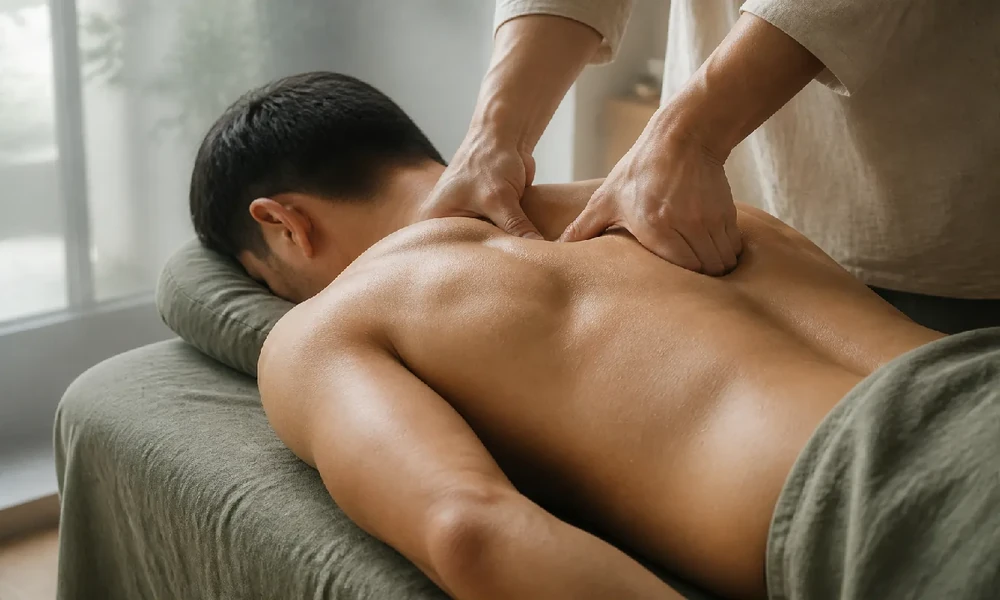
Acupuncture uses fine needles at set points to affect circulation and reduce pain. It can also help with sleep and stress. The needles are thin and cause little discomfort for most people. Tuina is a hands-on massage that releases muscle tension and improves movement. Herbal medicine works from the inside and is taken at home between visits, with the combination adjusted to the person. A physician may use one, two, or all three, depending on the case.
What a Combined Session Looks Like
The physician decides the order of treatment after the first assessment. For example, acupuncture may come first, followed by Tuina on areas that need attention. The visit may end with an herbal prescription for use at home. Cupping or Gua Sha can also be added when needed. Some visits will include only one or two of these treatments. It depends on what the physician finds and what needs to be addressed that day. If several treatments are planned, the visit will usually take more time.
How the Parts Work as One Plan
Acupuncture and Tuina are carried out during the clinic visit, while herbs can be taken at home between appointments. The treatments work in different ways, so a physician may use them together when it fits the patient’s needs. For back pain, acupuncture and Tuina may be used during the same visit, followed by herbs for home care. For a digestive complaint, the physician may place greater emphasis on herbs and use gentle acupuncture alongside them. The mix depends on the problem and how the patient responds to treatment.
Adjusting the Mix Over Time
A combined plan can change over time. At the start, the physician may use acupuncture and Tuina more often to help with the main symptoms, while herbs provide support at home. If the condition starts to improve, the hands-on sessions may become less frequent. Herbs and simple changes to daily habits can then continue between visits. The physician checks your progress at each appointment and decides if any part of the plan needs to change.
One Visit That Does More
A combined plan can also fit more easily into a busy schedule. In Singapore, where working hours can be demanding, some patients may prefer to receive acupuncture, Tuina, and an herbal prescription during the same visit instead of making separate appointments. Y TCM structures these visits so the different methods form one course of care. Its physicians explain how the treatments fit together before the first session.
Following the Plan at Home
The clinic-based treatment is only one part of a combined plan. Herbs should be taken as directed, and advice on rest, food, or movement can also form part of the treatment. Tell the physician about other medicine you take, since herbs can interact with it. Ask when to take the herbs and what to expect between visits. Following the plan at home helps maintain the care you receive during clinic visits.