
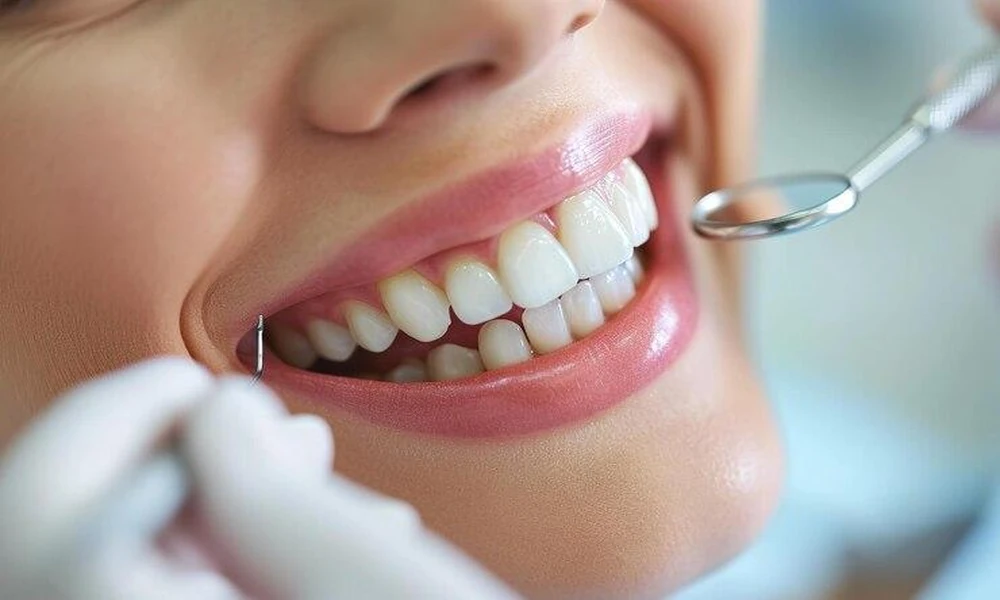
You look in the mirror and something feels off. Your teeth may seem shorter, flatter, more yellow, or less even than they used to. It can be hard to tell whether that change is normal aging, staining, or damage that is slowly getting worse. That uncertainty gets under your skin because your smile is part of how you speak, eat, and show up every day. If you’re considering full mouth restoration Canton MI, understanding the cause of these changes is an important first step.
A general and cosmetic dentist looks for patterns that point to wear, not just surface flaws. How general dentists identify cosmetic changes caused by tooth wear comes down to a close exam of tooth shape, enamel loss, bite pressure, gum position, and the way your teeth come together. The goal is simple. Find the cause early, protect what is still healthy, and improve the look of your smile without ignoring the reason it changed.
Tooth wear changes your smile before it causes pain
Many people expect tooth damage to hurt. Wear often does not. It can start with small cosmetic shifts that are easy to miss until you compare old photos or notice your front teeth no longer reflect light the same way. Edges can become thin or see through. Teeth can lose their natural texture and look smooth or shiny. Small chips may show up, then keep returning.
Dentists usually sort tooth wear into a few common sources. Grinding and clenching can flatten the biting edges and create hairline cracks. The National Institute of Dental and Craniofacial Research explains that bruxism often happens during sleep, which is why many people do not realize they are doing it. Acid erosion creates a different look. The enamel softens and dissolves over time, and the American Dental Association notes that dental erosion can leave teeth rounded, dull, and more yellow as inner dentin becomes more visible.
That yellow tone can be upsetting because it looks like a stain problem when it is really a structure problem. Whitening alone will not fix worn enamel. In some cases, it can make sensitivity harder to ignore.
General dentists identify smile changes by reading the pattern of wear
Detecting cosmetic damage from worn teeth is not guesswork. A dentist studies where the wear appears, how deep it is, and whether the pattern matches grinding, acid, abrasion, or a mix of causes. Front teeth worn flat often point to bite pressure. Cupped areas on chewing surfaces may suggest acid exposure. Notches near the gumline can come from brushing too hard or from stress placed on the tooth during clenching.
The exam usually includes a visual check, photos, bite analysis, and questions about habits that seem unrelated at first. You may be asked about headaches, jaw soreness, reflux, energy drinks, sleep quality, or whether a partner hears grinding at night. The University of Bristol overview of tooth wear describes this process well, because wear is often diagnosed by matching what the dentist sees with how your teeth function in real life.
General dentists also compare cosmetic changes with oral health findings. If the enamel is thinning but the gums are healthy and there is no active decay, the issue may be wear rather than disease. If one tooth looks shorter than the rest, they check whether it is actually worn down or whether the gumline around nearby teeth has shifted and changed the visual balance of your smile.
Tooth wear affects appearance, function, and long term cost
A small change in shape can turn into a larger cosmetic problem because teeth do not wear in isolation. When one area loses height, your bite can shift. That can make other teeth hit harder, chip more easily, or appear uneven. A smile that once looked balanced starts to look tired. The National Institute of Dental and Craniofacial Research report on oral health in America also reinforces a broader truth. Oral conditions affect daily life, comfort, confidence, and quality of life, not just appearance.
This is where a general and cosmetic dentist adds real value. Treatment is not only about making teeth look nicer. It is about deciding what can be preserved, what needs reinforcement, and whether cosmetic work will last if the underlying wear is still active. Veneers on a patient who still grinds heavily may break. Bonding on teeth exposed to ongoing acid may stain or fail early. The cosmetic plan has to match the cause.
Home assumptions and professional evaluation lead to very different outcomes
| Approach | What You Might Notice | What Gets Missed | Likely Outcome |
|---|---|---|---|
| At home self check | Shorter teeth, yellowing, chips, rough edges | Cause of wear, bite imbalance, early cracks, enamel loss depth | Temporary fixes or delay in treatment |
| Whitening only | Focus on color changes | Yellowing caused by dentin show through, not stains | Uneven cosmetic result, possible sensitivity |
| General dental exam | Full review of shape, color, bite, gums, and habits | Less likely to miss active wear patterns | Early diagnosis and protection of remaining enamel |
| Tooth wear assessment by a dentist | Photos, bite analysis, wear mapping, cosmetic planning | Connects appearance changes to function | More durable cosmetic and restorative results |
Small steps now can prevent larger cosmetic repairs later
Take photos of your smile and gather clues. Use clear phone photos of your front teeth and side profile. Compare them with pictures from a year or two ago. Notice shortening, flattening, chips, or new transparency at the edges. Pay attention to morning jaw tension, headaches, reflux, or frequent use of acidic drinks.
Book an exam before choosing a cosmetic fix. If you are thinking about whitening, bonding, or veneers, get the wear evaluated first. A dentist can tell whether the change is stain, enamel loss, gum shift, or bite related damage. That keeps you from paying for cosmetic work that does not solve the real problem.
Protect the teeth you still have. Use a soft brush, avoid aggressive scrubbing, and rinse with water after acidic drinks instead of brushing right away. If grinding is suspected, ask about a night guard. If acid erosion is part of the picture, your dentist may coordinate care with your physician if reflux or another health issue is involved.
Early attention gives you more cosmetic options
If your teeth look different and you cannot tell why, you are not overreacting. Wear often shows up as a cosmetic issue first, and that is exactly why many people catch it late. A careful exam can show whether the change is minor, active, or already affecting your bite and long term smile design.
The good news is that early diagnosis usually means simpler treatment, lower cost, and better cosmetic results. If you have noticed changes in shape, color, or symmetry, schedule a visit with a general and cosmetic dentist and get clear answers before the wear moves further.