
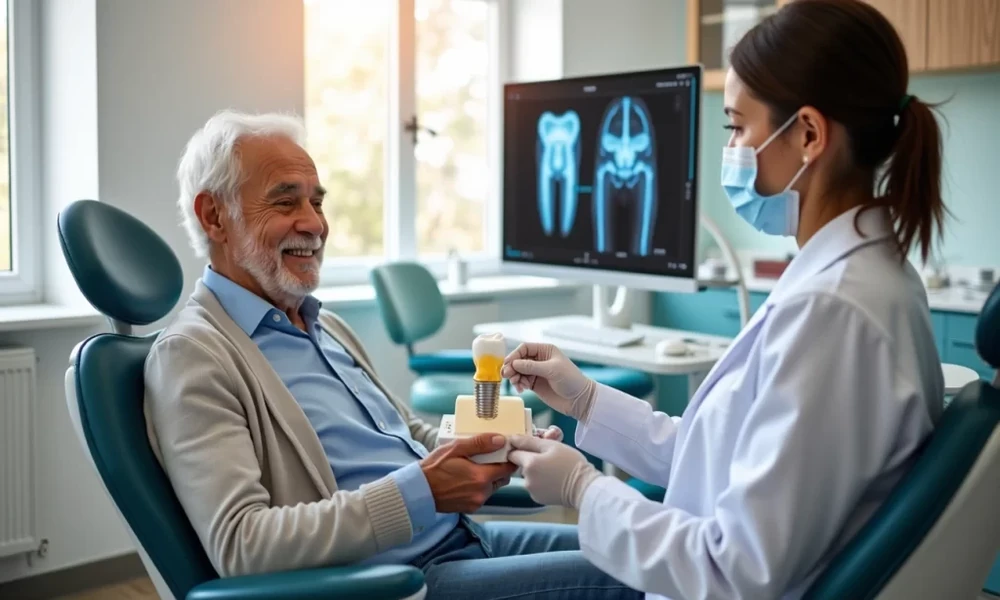
You might be feeling caught between hope and hesitation. Maybe you have missing teeth, loose dentures, or trouble chewing, and at the same time, you keep wondering whether you have simply “aged out” of treatment. That worry is common, especially when people hear mixed messages about tooth replacement and assume that getting older automatically closes the door. The short answer is reassuring. In many cases, age alone does not decide whether you can get implants. Your overall health, bone support, gum condition, and daily habits often matter much more, which is why speaking with a dentist in Chinatown, Lower Manhattan, NY can help you understand your options.
That can be a relief to hear, but it can also raise new questions. If age is not the whole story, what is? And how do you know whether a dental implant candidate age concern is real, or just a fear that has been sitting in the background for too long?
Why do so many people assume implants are only for younger adults?
It makes sense that this belief sticks around. As you get older, your body changes, healing can feel slower, and medical issues may become part of daily life. Because of that, many people assume implant treatment must be off the table. But that is not always true. A healthy person in their seventies may be a better candidate than a younger person with uncontrolled gum disease, heavy smoking habits, or untreated diabetes.
This is where the conversation becomes more nuanced. A general dentist and implant dentist are not just looking at your birth year. They are looking at the health of your mouth and how well your body can support healing. They may review bone density, gum health, medications, and whether any chronic conditions are well managed. If those pieces are in a stable place, older age by itself may not be a barrier.
So, where does that leave you if you have been told, or have simply assumed, that you are too old? It means the better question is not “Am I too old?” but “Am I healthy enough for this treatment, and what can be done to improve my chances?”
What actually matters more than age for implant eligibility?
When people ask about senior dental implant eligibility, they are often really asking about healing, safety, and long-term success. Those are the right things to focus on. Dental implants depend on the jawbone and surrounding tissue being able to support the implant as it heals. That is why bone loss, active periodontal disease, and poor oral hygiene can matter more than age itself.
For example, imagine two patients. One is 38, smokes heavily, skips dental visits, and has advanced gum disease. The other is 74, keeps regular cleanings, has stable blood pressure, and follows home care closely. The older patient may very well be the stronger candidate. That may sound surprising at first, but it reflects how implant decisions are actually made.
There are also ways to address some concerns. If bone has thinned over time, a dentist may discuss grafting or other options. If dry mouth or gum inflammation is an issue, improving daily care and reviewing medications may help. Resources from the National Institute on Aging on taking care of your teeth and mouth can be a useful starting point if you want to understand how daily habits affect oral health as you age.
Could other health conditions affect whether dental implants are right for you?
Yes, but “affect” does not always mean “prevent.” Conditions like diabetes, osteoporosis, heart disease, or a history of cancer treatment may call for closer planning, not an automatic no. If those conditions are controlled, treatment may still be possible. What matters is how those issues influence healing and infection risk.
This can feel stressful, especially if you already manage a long list of appointments and medications. You may worry that asking about implants will lead to one more complicated decision. But clarity often lowers stress. A careful exam can show whether the concern is minor, manageable, or a true reason to consider another option.
The National Institute of Dental and Craniofacial Research offers helpful background on oral health for older adults, including how common age-related changes can affect the mouth. Their older adults oral health guide also explains the broader picture in plain language, which can help you ask better questions at your visit.
How do implants compare to other tooth replacement options when age is a concern?
Sometimes the fear of being “too old” leads people to settle for discomfort. They keep wearing loose dentures, avoid certain foods, or smile less because change feels risky. But comparing your options side by side can make the decision feel more grounded.
| Option | What It May Help With | What to Consider |
|---|---|---|
| Dental implants | Stability, chewing strength, bone support, a fixed feel | Requires healing time, enough bone or added support, and good home care |
| Traditional dentures | Lower upfront cost, non-surgical replacement | Can slip, may reduce bite force, may become less comfortable as bone changes |
| Bridges | Fixed tooth replacement without implant surgery | May involve adjacent teeth, does not address bone loss in the same way |
If you have been living with missing teeth for years, this comparison can be emotional as much as practical. You may be weighing cost, comfort, recovery, and confidence all at once. That is normal. The best path is rarely about age by itself. It is about matching treatment to your health, goals, and what daily life looks like for you.
What can you do right now if you are wondering whether you qualify?
1. Start with a full health and dental review.
Bring a current medication list, your medical history, and any concerns about healing or past dental work. Small details matter, and they can shape the safest treatment plan.
2. Ask about bone and gum health, not just age.
If you hear yourself asking, “Am I too old for implants?” try adding, “How are my gums, and do I have enough bone support?” Those questions often lead to more useful answers.
3. Improve the factors you can control.
Good brushing, flossing, regular cleanings, smoking cessation, and managing conditions like diabetes can all improve readiness for treatment. Even if implants are not immediate, these steps support any future tooth replacement plan.
What should you take away from all of this?
If you have been assuming that your age alone rules out treatment, there is real reason to pause and reconsider. Why Age Isn’t Always A Factor In Dental Implant Eligibility comes down to this simple truth. The number of candles on your birthday cake matters less than the condition of your mouth and your overall health. For many adults, even later in life, implants remain a realistic option.
You do not need to make the whole decision today. You just need clear information about your own situation. A thoughtful evaluation with a general dentist and implant dentist can help you understand what is possible, what needs attention first, and which option fits your life best.