
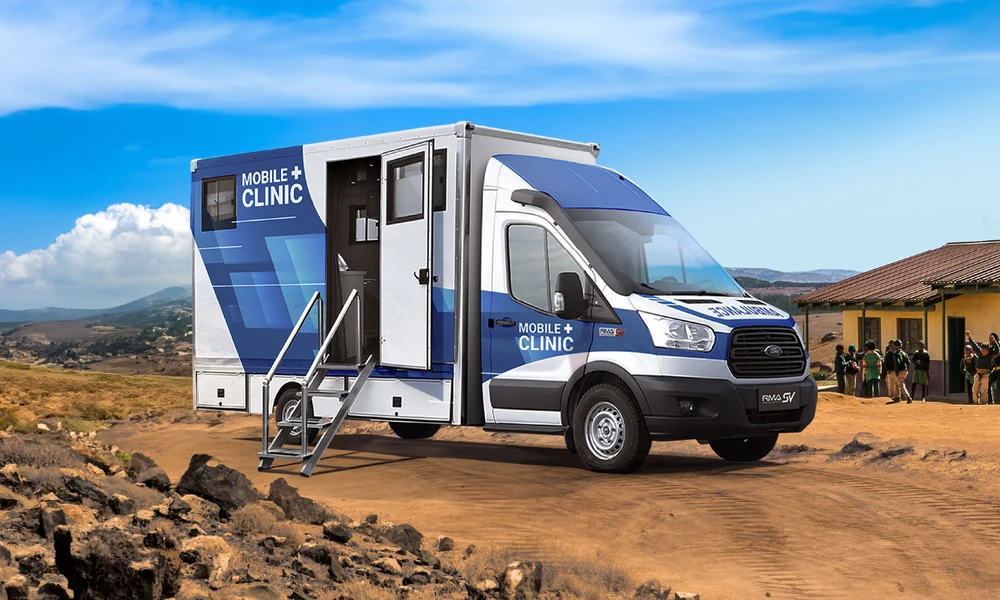
Mobile medical vehicles may enable closer provision of health services to communities with geographical, transportation or infrastructure constraints. But that’s not enough to make them successful. The design and engineering of the mobile healthcare environment, along with operational and safety concerns, are all critical to the development of a dependable solution.
To fully capitalize on these units, stakeholders must look beyond standard transport design and focus on the specialized engineering that keeps these facilities running reliably in the field. Reviewing broad Mobile Medical Vehicles Industrial Insights reveals that the gap between a simple adapted vehicle and a high-functioning clinic on wheels lies in how well every technical component is integrated. Before a single blueprint is finalized, manufacturers and healthcare operators must evaluate a complex web of structural, technological, and operational demands to build a vehicle capable of delivering consistent care.
Intended Medical Services
The first thing that comes to mind is the purpose of the car. Different equipment and layouts will be needed for a unit dedicated to vaccinations, diagnostic testing, dental, health screening or specialist consultations. It helps to set the boundaries of the healthcare services they provide, guiding the design and providing a focus on practical needs.
The interior layout and workflow.
Space is at a premium, so it is very important to make good use of design. Consultation areas, treatment areas, equipment storage, work areas for staff and routes for patient movement should be planned effectively. Planning a well-designed layout can enhance workflow and patient and staff comfort.
Power and Utility Systems
Reliable power is essential for medical equipment, lighting, climate control and digital technology. The electrical supply to mobile medical units and back-up facilities must be adequate. If the utility is for different services, other utilities may be required, such as water supply, waste management, and ventilation.
Environmental Control
Optimum temperature, ventilation and hygiene conditions are needed in the health setting. A combination of insulation and climate control systems may be used to ensure a comfortable environment inside the room, while preventing exposure of the fragile medical devices to environmental conditions that are unsuitable for their use.
Technology and Connectivity
Mobile medical units can achieve much with the use of digital instruments and equipment. Healthcare mobile teams can be linked to larger healthcare facilities and healthcare specialists through the use of an electronic health record, a telemedicine system, diagnostic technology, and secure communication systems.
Safety and Hygiene
The vehicle must be able to accommodate safe care for a patient and efficient cleaning procedures. A healthy atmosphere can be provided by having durable surfaces, proper storage, well-organised equipment and adequate ventilation. Safety planning should take into account patients and/or healthcare workers.
Accessibility and Mobility
The vehicle needs to be able to access the community that it serves. All of these factors must be taken into account: road conditions, vehicle size, deployment areas, parking requirements and patient accessibility. The systems of entry and interior spaces should facilitate people of all levels of mobility.
Manufacturing and Maintenance
Construction and industrial systems of the vehicle can have an impact on long-term reliability. Inspecting facilities regularly, servicing equipment, and vehicle maintenance and test systems regularly are critical in preventing preventable disruptions to healthcare services.
The result is a need for a whole-industry approach to healthcare delivery, engineering, manufacturing, and operations for mobile medical vehicles. The mobile units can be designed to meet the needs of healthcare providers, with consideration given to factors such as medical purpose, interior workflow, power, environmental control, technology, safety, accessibility, and maintenance, ensuring they can operate effectively in diverse settings. These systems can be a key to enhancing access to health care for communities where access to care might otherwise be challenging.