
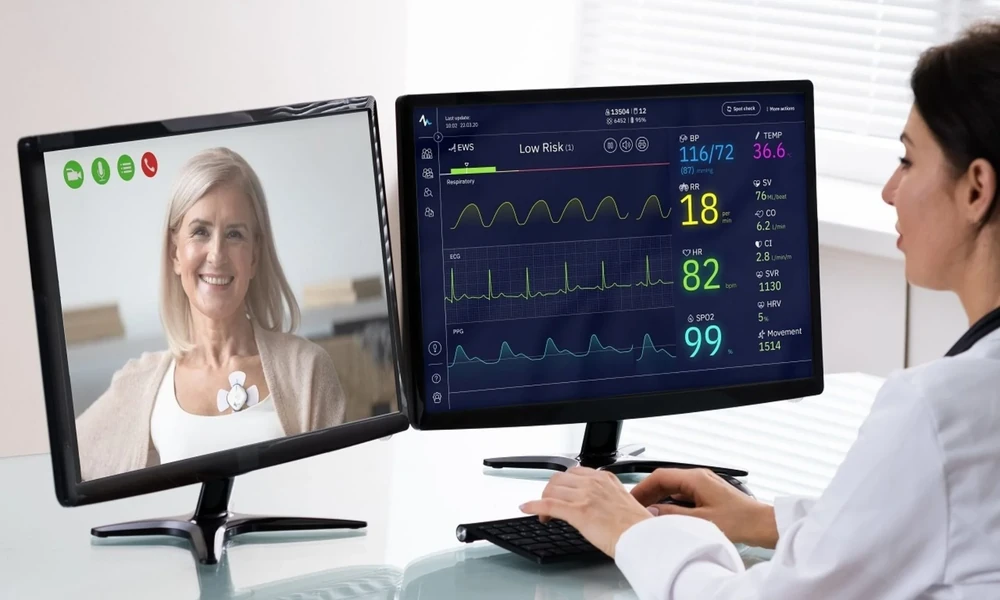
The way people approach personal health management has shifted dramatically over the past decade. Where previously a visit to the doctor or pharmacy was the only reliable way to understand basic health metrics, a growing range of digital resources now puts this information directly in the hands of individuals – available whenever it is needed, without appointments or waiting rooms. Online health calculators and tracking tools have become a genuinely useful part of how many people understand and manage their health on a day-to-day basis.
The quality and breadth of these resources has improved considerably. The best health tools available today are not simply unit converters or basic formulas – they are well-designed, medically informed resources that explain what measurements mean, provide context for different populations and health profiles, and help users understand when their results suggest they should seek professional advice.
BMI and Body Composition
Body Mass Index remains one of the most widely used health metrics, despite its limitations as a standalone measure of health. Understanding what a BMI result means – and what it does not mean – requires context that a good calculator provides alongside the number itself. Age, sex, ethnicity, and muscle mass all affect how BMI should be interpreted for any individual, and health tools that acknowledge this complexity are more useful than those that simply produce a number and a category.
Body composition calculators that estimate lean mass, fat mass, and related metrics from simple measurements provide a more complete picture of physical health than BMI alone. For people tracking progress during a fitness programme or managing a health condition, these additional metrics provide meaningful feedback that a single weight measurement cannot.
Cardiovascular Health Calculators
Heart rate, blood pressure, and cardiovascular risk are among the health metrics that most benefit from digital tool support. Resting heart rate calculators that provide context for different fitness levels, blood pressure trackers that flag readings warranting medical attention, and cardiovascular risk estimators that incorporate multiple factors – age, family history, lifestyle variables – give users a more informed understanding of their heart health than any single measurement can provide.
The most valuable health tools in the cardiovascular category are those that clearly explain what different readings mean and when they should prompt a conversation with a healthcare professional. A blood pressure reading in isolation is less useful than a reading accompanied by clear explanation of what the systolic and diastolic numbers represent, what ranges are considered normal, elevated, or high, and what factors influence individual variation.
Nutritional and Dietary Calculators
Understanding caloric needs, macronutrient ratios, and dietary requirements is fundamental to maintaining a healthy weight and supporting physical activity. Calorie calculators that account for activity level, age, sex, and specific health or fitness goals provide personalised estimates that generic dietary guidelines cannot match. Protein requirement calculators for athletes and active individuals, carbohydrate tracking tools for people managing blood sugar, and micronutrient checkers that identify potential deficiencies all fall within this category.
The nutritional calculator space has matured significantly – the best tools now incorporate current nutritional science, explain the reasoning behind their recommendations, and acknowledge the range of individual variation that means no single number applies universally. Users who engage with these tools critically – understanding them as estimates and guides rather than precise prescriptions – get the most value from them.
Mental Health and Stress Assessment Tools
The digital health space has expanded beyond physical metrics to include tools that support awareness of mental health and stress levels. Validated screening questionnaires for common conditions like anxiety and depression, stress level assessments based on established psychological scales, and sleep quality calculators that help users understand the relationship between their sleep patterns and their overall wellbeing are all now available as accessible online resources.
These tools carry particular responsibility in how they present results. The best examples are clear that they provide screening information rather than diagnosis, consistently encourage users to seek professional support when results suggest it, and avoid framing their outputs in ways that could cause unnecessary alarm or, conversely, provide false reassurance. Used appropriately, they can help individuals recognise when their mental health deserves attention – which has real value at a time when mental health awareness and help-seeking are both improving.
Pregnancy and Reproductive Health Calculators
Pregnancy calculators – due date estimators, fetal development trackers, weight gain guides – are among the most frequently used health tools online, and for good reason. Pregnancy involves a defined timeline with specific milestones, and having accessible information about what to expect at each stage provides genuine value. Ovulation calculators for those trying to conceive and fertility window estimators serve a different but equally significant need.
The quality of these tools varies considerably, and users should look for those developed with medical input and that clearly acknowledge the limitations of estimated dates and ranges. The most valuable health tools in this category are those that complement rather than replace prenatal care – providing useful context and information while consistently encouraging engagement with healthcare providers for monitoring and advice.
Fitness and Exercise Calculators
Training zone calculators that help athletes understand appropriate intensity levels for different training objectives, VO2 max estimators, one-rep maximum calculators for strength training, and recovery time estimators all support more informed and effective exercise programmes. The accessibility of these tools has effectively democratised sports science knowledge that was previously available only to elite athletes with coaching and testing support.
For recreational athletes and general fitness enthusiasts, understanding concepts like heart rate training zones, progressive overload principles, and the relationship between training volume and recovery allows more effective and sustainable fitness programmes. Digital health tools that explain these concepts while providing practical calculators make this knowledge genuinely accessible.
Using Health Tools Responsibly
The most important principle for using any online health calculator is understanding what it is and what it is not. These tools are educational resources that provide estimates, context, and general information – they are not diagnostic instruments and they do not replace professional medical evaluation. A BMI that falls outside the normal range, a cardiovascular risk score that seems elevated, or a screening questionnaire result that suggests professional attention is warranted should all be followed up with appropriate healthcare providers.
The value of digital health tools is in their accessibility, their ability to provide context and explanation alongside numbers, and their capacity to prompt users to pay attention to aspects of their health they might otherwise overlook. Used with appropriate understanding of their limitations, they are a genuinely useful addition to an individual’s health awareness toolkit.