
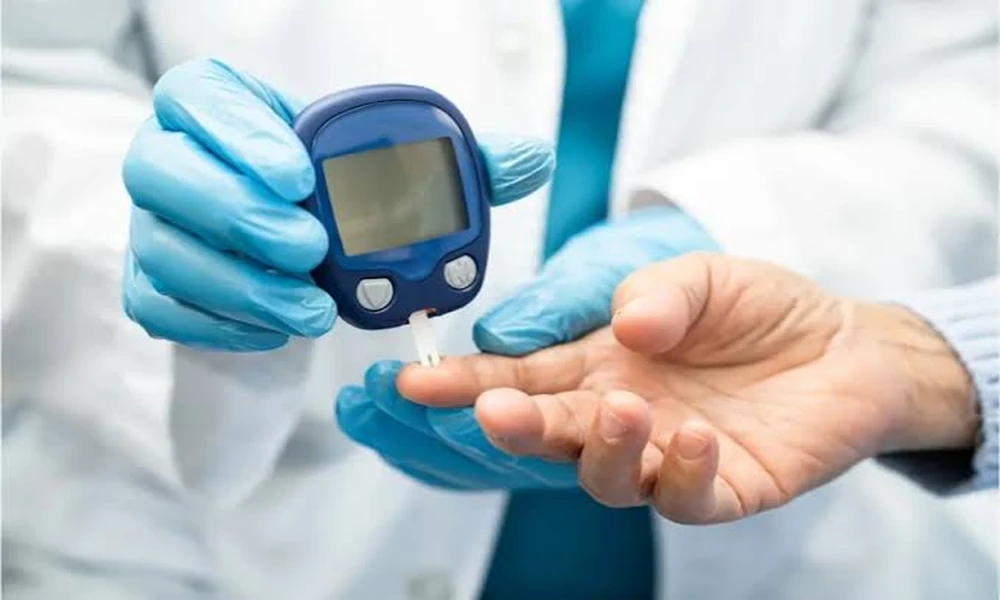
Seeing a high blood sugar result can be worrying, especially if you were not expecting it. However, one abnormal reading does not always mean that you have diabetes. Blood glucose levels can be affected by several factors, and the type of test you took also matters.
The most important thing is not to ignore the result or immediately assume the worst. Understanding what the numbers mean and discussing them with a qualified healthcare professional can help you determine the appropriate next step.
What Does a High Blood Sugar Result Mean?
Blood sugar, also called blood glucose, is the main type of sugar found in your blood. Your body uses glucose for energy, while insulin helps move glucose from the bloodstream into your cells.
When glucose remains higher than normal, further evaluation may be needed.
Different tests measure blood sugar in different ways. An A1C test, for instance, provides an estimate of your average blood glucose level over the previous two to three months. According to the Centers for Disease Control and Prevention, an A1C result below 5.7% is considered normal, 5.7% to 6.4% falls within the prediabetes range, and 6.5% or higher falls within the diabetes range.
A fasting blood sugar test is interpreted differently. The commonly used ranges are:
- 99 mg/dL or below: normal
- 100 to 125 mg/dL: prediabetes range
- 126 mg/dL or higher: diabetes range
These numbers should not be used to diagnose yourself. In many situations, an abnormal test needs to be confirmed with another test, particularly when there are no clear symptoms of high blood sugar.
What Should You Do After Receiving a High Result?
Review What Type of Test You Took
Before becoming concerned about a number on your laboratory report, check what kind of blood glucose test was performed.
A fasting glucose test requires fasting before the blood sample is collected. An A1C test does not require fasting and looks at longer-term glucose levels. An oral glucose tolerance test measures how your body processes glucose over a set period.
Because these tests measure different things, the same number cannot be interpreted in exactly the same way across every test.
Schedule a Medical Consultation
If your diabetes test Philippines results are outside the normal range, arrange an appointment with a qualified doctor or healthcare provider.
Bring your laboratory results with you and tell the doctor whether you were fasting when the test was taken. You should also mention any medicines you take and any symptoms you have noticed.
Your doctor may recommend repeating the test or ordering another blood glucose test before making a diagnosis. The American Diabetes Association notes that diabetes testing generally needs confirmation on another day unless blood glucose is very high or the patient also has classic symptoms of high blood glucose.
Pay Attention to Possible Symptoms
High blood sugar does not always cause noticeable symptoms. This is one reason routine health screening can be important.
- Increased thirst
- Frequent urination
- Blurred vision
- Unusual tiredness or weakness
These symptoms can have other causes, so experiencing them does not automatically mean you have diabetes. They are reasons to speak with a healthcare professional, especially when they occur together with an abnormal glucose test.
Avoid Making Major Health Changes Without Medical Advice
Receiving an abnormal result may make you want to immediately remove carbohydrates from your diet, start supplements, exercise intensely, or change medicines.
That approach can create unnecessary problems.
A better first step is to find out why your blood sugar is high and whether the result represents a temporary increase, prediabetes, diabetes, or another medical situation.
If diabetes or prediabetes is confirmed, your healthcare provider can recommend an appropriate plan based on your overall health. Management may involve changes to food choices, physical activity, weight management, monitoring, and medication when medically appropriate.
Treatment should be individualized rather than based only on information found online.
What If You Need Medical Clearance for Work?
A high blood sugar result may also become relevant during a pre-employment medical examination, annual physical examination, or workplace health assessment.
If your employer requires a doctor medical certificate fit to work, the decision should come from the examining healthcare professional after reviewing your medical condition and the requirements of your job.
An abnormal blood sugar result does not automatically determine whether someone is fit or unfit for work. A physician may consider additional factors, including whether a condition has been confirmed, whether symptoms are present, how well the condition is controlled, and whether it could affect the safe performance of specific job duties.
Follow the clinic’s instructions regarding repeat laboratory testing, further evaluation, treatment, or follow-up documentation.
When Does High Blood Sugar Need Urgent Attention?
Some cases of very high blood sugar require prompt medical care.
Severe hyperglycemia can become dangerous, particularly when accompanied by symptoms such as repeated vomiting, abdominal pain, difficulty breathing, confusion, severe weakness, or a fruity smell on the breath. These may be associated with diabetic ketoacidosis, which is a medical emergency.
People who already have diabetes should follow the emergency and high-blood-sugar instructions provided by their healthcare team.
If you have extremely high readings together with severe symptoms, do not rely on home treatment or online advice. Seek urgent medical attention.
Prepare for Your Follow-Up Appointment
Being prepared can make your consultation more useful.
Bring Important Information
Consider bringing:
- Your laboratory report
- A list of current medicines and supplements
- Previous blood sugar or A1C results, if available
- Notes about symptoms you have experienced
- Information about whether you fasted before testing
- Relevant medical records requested by your doctor
If you monitor your glucose at home, keep a record of your readings rather than relying on memory. This can give your doctor a clearer picture of what has been happening over time.
Do Not Ignore an Abnormal Blood Sugar Result
A high blood sugar result is something to take seriously, but it is not something to panic about.
The next step is to understand the test, confirm the findings when appropriate, and obtain professional medical advice. Early evaluation can help identify blood sugar problems before they become harder to manage.
Whether your test was part of a routine checkup, employment medical examination, or health screening, avoid diagnosing yourself from one number alone. Keep your test results, follow the healthcare provider’s instructions, and complete any recommended follow-up testing.
Taking action early gives you and your healthcare provider better information for deciding what needs to happen next.