
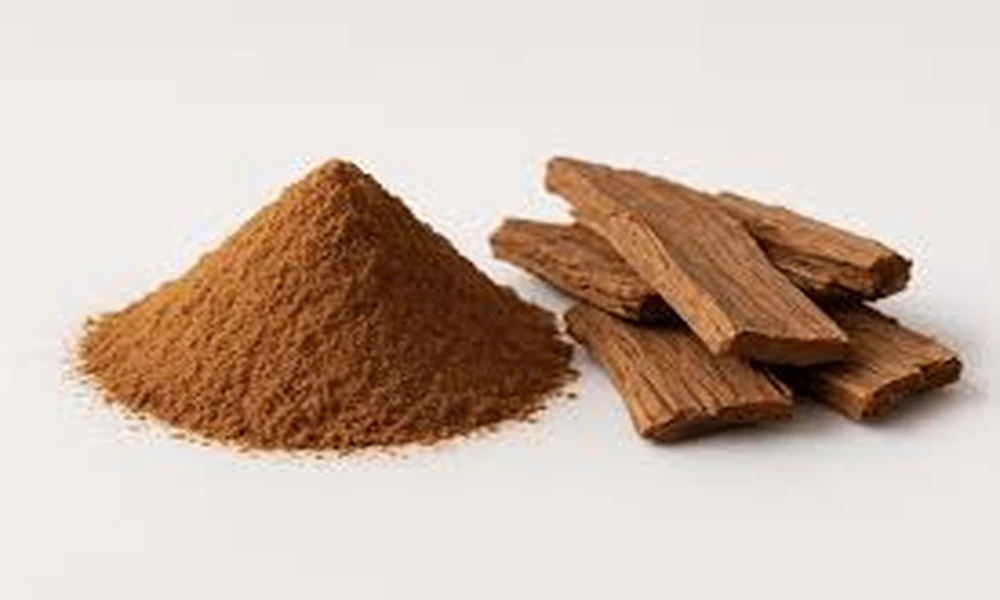
The relationship between traditional medicine and modern cardiovascular care is more productive than the conventional framing of these as opposing systems would suggest. Cardiologists increasingly recognise that the management of chronic cardiovascular conditions – hypertension, stable angina, heart failure, dyslipidaemia – is a long-term endeavour in which lifestyle, dietary, and supplementary measures play important roles alongside pharmaceutical intervention. Traditional botanical medicines that have genuine evidence of cardiovascular benefit deserve serious consideration within this integrated framework.
Arjuna bark – known across India for its अर्जुन की छाल के फायदे in Ayurvedic practice – is precisely this kind of traditional botanical: one with a specific cardiovascular application, a plausible mechanism, and a research base that supports its traditional use with contemporary evidence. It is not a cure for cardiovascular disease, and responsible use requires acknowledging this clearly. But as a supportive measure within a comprehensive cardiovascular health strategy, it offers real value that is increasingly difficult to dismiss.
Where Arjuna Fits in an Integrated Strategy
The most appropriate role for arjuna bark in contemporary cardiovascular health management depends on the individual’s specific situation. For healthy individuals with a family history of heart disease seeking preventive measures, arjuna’s antioxidant and cardioprotective properties offer a reasonable addition to lifestyle-based prevention. For individuals with established risk factors – mild hypertension, borderline lipid levels, early insulin resistance – it represents a natural intervention that may reduce the need for pharmaceutical initiation or allow lower pharmaceutical doses to achieve adequate control.
For those with established cardiovascular disease who are already on pharmaceutical treatment, अर्जुन छाल हृदय के लिए offers potential additive benefit – improving cardiac function through mechanisms complementary to pharmaceutical approaches. The clinical research examining arjuna in this adjunctive role is genuinely encouraging, though it is important to implement this kind of integrated approach with medical oversight to ensure appropriate monitoring of the combined effects on blood pressure, heart rate, and other relevant parameters.
Quality of Life Beyond Clinical Metrics
One dimension of arjuna bark’s benefits that clinical trials often fail to capture adequately is its effect on subjective wellbeing and quality of life. Patients using arjuna consistently report improvements in energy levels, reduced fatigue, better exercise capacity, and a general sense of cardiac ease – of the heart working more comfortably – that translate into real improvements in daily functioning. These subjective improvements are not captured by ejection fraction measurements or lipid panels but they are real and meaningful to the individuals experiencing them.
This quality of life dimension is particularly relevant for older adults managing cardiovascular conditions who find that pharmaceutical treatment adequately controls clinical parameters while leaving them feeling fatigued, limited in physical capacity, and reduced in overall vitality. Arjuna’s adaptogenic properties – its ability to support physiological resilience and energy metabolism – may address precisely these dimensions that pharmaceutical cardiac care tends to leave unaddressed.