
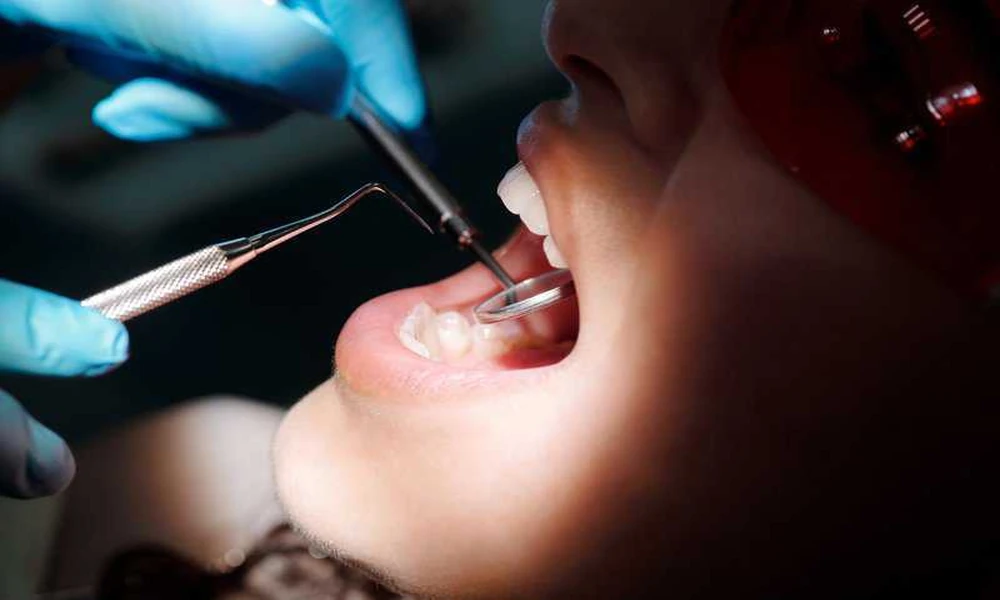
You sit back in the chair for a routine visit with a dentist in Euclid, OH, expecting a cleaning and a quick look, and then your dentist or hygienist starts calling out numbers. It can feel a little strange, and if your gums are tender or bleed easily, it can also make you wonder if something is wrong. That reaction is common. Most people hear those measurements and think, what exactly are they checking, and should I be worried?
The short answer is simple. Why dentists measure gum pockets at checkups comes down to catching gum disease early, tracking changes over time, and protecting the bone and tissue that hold your teeth in place. When those pocket numbers stay small, your gums are usually healthy. When they get deeper, it can point to infection, inflammation, or damage that needs attention before it gets worse.
What are gum pockets, and why does measuring them matter so much?
Your gums are meant to fit snugly around each tooth. There is always a tiny space between the gum and the tooth, but in a healthy mouth, that space is shallow and easy to keep clean. When plaque and bacteria build up along the gumline, the tissue can become inflamed. Over time, that irritation can cause the gum to pull away from the tooth, creating a deeper space called a gum pocket.
So, where does that leave you? It means those measurements are not random. They help your dental team see what your eyes cannot. A pocket that measures 1 to 3 millimeters is often considered healthy. Deeper pockets can be a sign that bacteria are settling in below the gumline, where brushing and flossing cannot fully reach.
According to the National Institute of Dental and Craniofacial Research on gum disease, gum disease can begin quietly, sometimes with mild bleeding or swelling, and then progress to more serious damage if it is not treated. That is one reason a gum pocket measurement matters so much during a checkup. It gives your dentist a way to spot early trouble, even before you feel pain.
Why do the numbers matter if your mouth feels fine?
This is the part that catches many people off guard. Gum disease does not always hurt at first. You might notice a little bleeding when you floss, or maybe bad breath that keeps returning, but many people have no clear warning signs. Because of that, a person can feel fine while the gums and supporting bone are slowly changing.
That is why measuring gum pockets is such a useful part of general dentist care. It creates a record. If your pocket around one tooth was 2 millimeters last year and is now 5, that change tells a story. It may mean the tissue is inflamed, plaque is collecting below the gumline, or bone loss has started.
Researchers are still working to improve how periodontal disease is identified and tracked. The NIDCR update on probing periodontal disease explains why probing remains an important tool, even as new methods are studied. In everyday terms, the numbers help your dentist compare today with your last visit, and that can make treatment more timely and more conservative.
What can deeper gum pockets lead to if they are ignored?
If deeper pockets are left alone, bacteria can continue to collect under the gums. That can lead to ongoing inflammation, infection, gum recession, loose teeth, and loss of the bone that supports your teeth. In more advanced cases, treatment can become more involved and more expensive than it would have been earlier.
You might wonder, is every deeper pocket a disaster? No, not at all. A single higher number does not always mean severe disease. Sometimes there is local irritation, a hard-to-clean spot, or swelling that improves with better home care and a professional cleaning. The point of measuring is not to alarm you. It is to separate a passing issue from a pattern that needs treatment.
The clinical overview in StatPearls on periodontitis describes how periodontal disease affects the tissues around the teeth and why early diagnosis matters. In practical terms, the sooner changes are found, the better the chance of keeping treatment simple.
How do healthy gums compare with deeper pockets at a dental checkup?
A simple comparison can make those numbers easier to understand.
| Gum Pocket Depth | What It Often Means | What Your Dentist May Recommend |
|---|---|---|
| 1 to 3 mm | Usually healthy gum attachment with little or no inflammation | Routine cleanings and steady brushing and flossing habits |
| 4 mm | Early signs of inflammation or a spot that is harder to clean | Closer monitoring, improved home care, and possible focused cleaning |
| 5 to 6 mm | Higher concern for gum disease and bacteria below the gumline | Deep cleaning, also called scaling and root planing, and follow-up checks |
| 7 mm or more | More advanced periodontal involvement, often with bone loss risk | Periodontal treatment and possible referral for advanced care |
These ranges are general, and your dentist looks at more than one number. Bleeding, gum recession, plaque buildup, bone levels on X-rays, and your medical history all matter too. Still, the table shows why this quick measuring step is such a useful part of a routine exam.
What can you do right now if your gum pocket numbers were higher than expected?
Ask for your numbers in plain language.
You have every right to understand what those measurements mean. Ask which teeth had deeper pockets, whether there was bleeding, and whether the problem looks mild, moderate, or advanced. When you know the pattern, it becomes easier to respond instead of just worrying.
Tighten up your home care without guessing.
Brush gently along the gumline twice a day, floss or clean between your teeth daily, and ask whether tools like interdental brushes or a water flosser would help. Small changes in technique often matter more than brushing harder.
Keep the follow-up visit, even if nothing hurts.
This may be the most important step. Gum problems often progress quietly. If your dentist recommends a periodontal cleaning, a recheck, or more frequent visits, that plan is usually meant to stop damage before it becomes harder to treat.
What should you take away from gum pocket checks at routine visits?
If you have ever felt uneasy hearing those numbers, you are not overreacting. Dental terms can sound cold when you do not know what they mean. But this part of the exam is there to protect you, not to catch you off guard. Pocket measurements help your dentist find early signs of trouble, watch for change, and guide the right care at the right time.
When you understand why dentists measure gum pockets at checkups, the process feels less mysterious and more useful. If your dentist has mentioned deeper pockets, do not ignore it and do not panic. Ask questions, follow the care plan, and keep your next visit. That steady attention can make a real difference for your gums, your teeth, and your long-term oral health.