
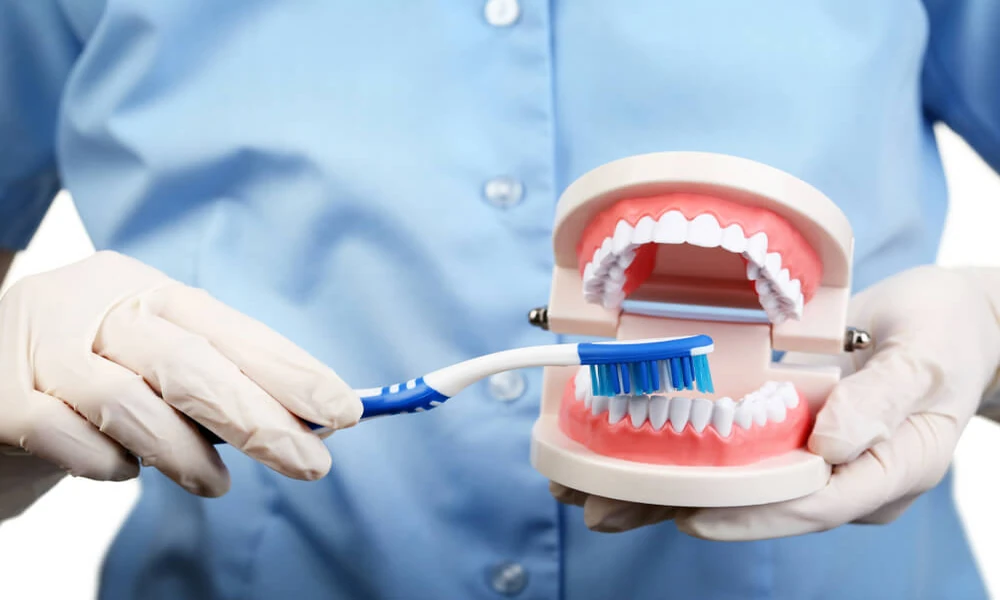
You might not think much about your teeth until something starts to hurt, a filling falls out, or you hear that familiar phrase at the dentist’s office, “We need to keep an eye on this.” That is often how it goes. Before a problem shows up, dental care can feel easy to put off. After it shows up, it can suddenly feel stressful, expensive, and hard to ignore. If that sounds familiar, you are not alone. The good news is simple. Preventive dentistry helps you catch small issues early, protect your overall health, lower costs over time, and make routine general dental care far more effective at a Port of Spain dental clinic.
So, why does prevention matter so much when it comes to your mouth? Because your teeth and gums do not exist in isolation. They affect how you eat, speak, sleep, and feel day to day. When preventive care slips, the effects can spread quietly until they demand your attention.
Why does preventive dental care matter before anything hurts?
One of the hardest parts of oral health is that many problems start quietly. Early tooth decay may not hurt. Gum disease can begin with mild bleeding that seems easy to dismiss. Grinding, dry mouth, and small cracks can build over time without a dramatic warning sign. Because of this, waiting for pain often means waiting too long.
That is the first reason prevention sits at the center of good dental care. It helps catch problems while they are still small. A routine exam and cleaning can reveal plaque buildup, early cavities, or gum irritation before you need more involved treatment. According to the National Institute of Dental and Craniofacial Research’s oral hygiene guidance, daily brushing, flossing, and regular dental visits are key parts of protecting your teeth and gums over time.
What does that look like in real life? It may mean treating a tiny cavity before it grows into a toothache that needs a crown. It may mean noticing gum inflammation before it becomes advanced periodontal disease. In other words, prevention gives you more options and fewer surprises.
How can preventive dentistry save you money and stress?
Most people do not avoid the dentist because they do not care. They avoid it because life gets busy, money feels tight, or the thought of hearing bad news creates anxiety. That reaction makes sense. Still, putting off care often leads to the very outcome you were hoping to avoid.
That is the second reason preventive oral care matters so much. It tends to cost less than repairing damage after it gets worse. Cleanings, exams, fluoride treatments, and X rays are usually easier on your budget than root canals, extractions, gum treatment, or replacing missing teeth.
There is also the emotional cost. A small issue handled early can feel manageable. A larger problem can affect your sleep, your work, and even your confidence. When your mouth hurts, everything else gets harder. Prevention reduces the chances of being forced into urgent decisions when you are already overwhelmed.
What does your mouth have to do with the rest of your health?
This is where many people are surprised. Oral health is closely tied to whole body health. Inflamed gums and untreated dental issues do not always stay in one lane. They can affect eating habits, nutrition, and ongoing health concerns, especially as you get older.
The CDC’s oral health tips for adults explain that brushing with fluoride toothpaste, cleaning between teeth, limiting sugary foods and drinks, and seeing a dentist regularly all support better oral health. For older adults, this becomes even more important. The National Institute on Aging’s guide to caring for your teeth and mouth notes that dry mouth, gum disease, and changes related to aging can raise the risk of dental problems.
That is the third reason prevention is so central. It supports your health beyond your smile. If chewing becomes painful, you may avoid healthy foods. If your gums are inflamed, daily comfort can change in ways that wear you down. Good habits and regular checkups help protect more than your teeth.
Why is prevention such a big part of general dentist visits?
The fourth reason is practical. A general dentist does much more than fix problems. Preventive visits create a baseline. They help track changes, spot patterns, and guide you toward habits that fit your life. If you clench your jaw, snack often, take medicines that cause dry mouth, or have trouble flossing, those details matter. They shape the care you need.
This is why dental prevention is not separate from treatment. It is the foundation of it. A general dentist can monitor gum health, examine old fillings, check for signs of wear, and help you build a plan that keeps small issues from turning into bigger ones.
What is the difference between home care and professional preventive care?
Daily habits matter a great deal, but they do not replace professional care. Both pieces work best together.
| Type of Care | What It Helps With | Limits to Keep in Mind |
|---|---|---|
| Brushing twice a day with fluoride toothpaste | Removes plaque, lowers cavity risk, freshens breath | May miss gumline buildup or areas that are hard to reach |
| Flossing or cleaning between teeth daily | Removes debris and plaque between teeth, supports gum health | Technique matters, and many people miss spots |
| Regular dental exams and cleanings | Finds early decay, gum disease, wear, and other hidden issues | Works best when paired with steady home care |
| Diet changes and less sugar | Reduces cavity risk and supports overall oral health | Cannot reverse existing decay on its own |
So, where does that leave you? Usually with a simple truth. Prevention is not one big act. It is a set of small choices, repeated over time, with professional support when you need it.
What can you do right now to protect your teeth and gums?
1. Tighten up your daily routine. Brush twice a day with fluoride toothpaste and clean between your teeth once a day. If you are not sure whether you are doing enough, start there. Consistency matters more than perfection.
2. Pay attention to quiet warning signs. Bleeding gums, sensitivity, dry mouth, bad breath, or pain when chewing are worth noticing. They may seem minor now, but they can point to issues that are easier to address early.
3. Keep preventive visits on the calendar. Routine checkups make it easier to stay ahead of problems instead of reacting to them. If dental visits make you nervous, say so. Clear communication can make the experience feel more manageable.
What should you remember most about preventive dentistry?
If you have been putting off care, there is no need for shame. Life happens, and many people end up in the same place. What matters now is the next step. Preventive dentistry is central to general dental care because it protects your health, lowers the odds of painful surprises, and helps you keep more control over your time and money.
When you treat prevention as part of your normal routine, you give yourself a better chance at fewer problems and more peace of mind. If it has been a while since your last visit, now is a good time to schedule a checkup with a general dentist and get ahead of issues before they grow.