
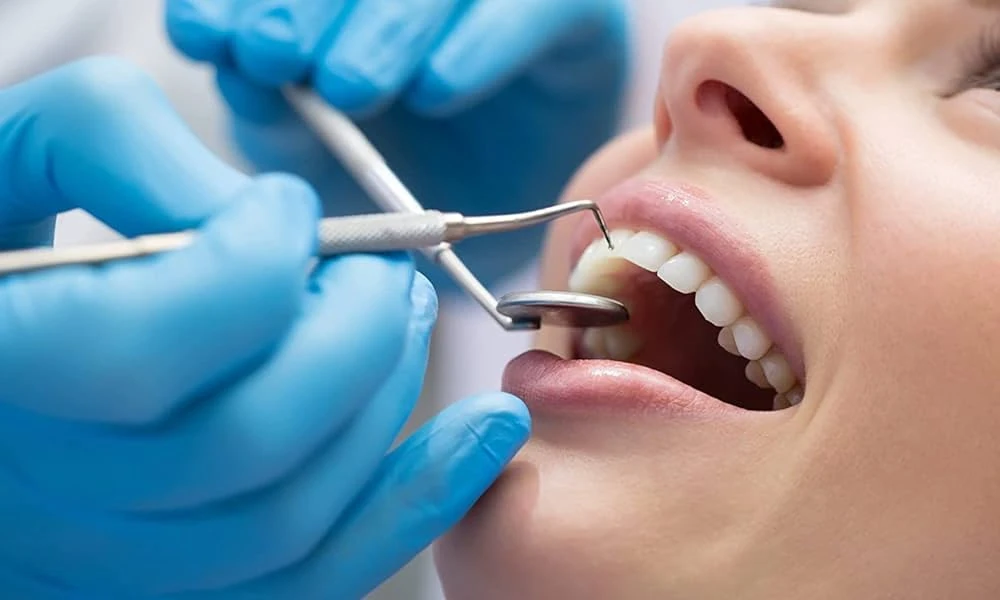
Anyone hunting for the best site with solid post extraction information usually lands on the same basic starting point, no matter which clinic they end up reading about. Multiple extractions leave behind gaps that do more than disrupt chewing. They shift how the cheeks sit, how the lips fall naturally, how the whole lower face reads in profile once that underlying tooth support is gone. Most clinics build in a healing window before anything permanent gets placed, since the gum tissue and bone underneath need time to settle after surgery. A temporary appliance usually fills the visible gaps during this stretch, so patients aren’t walking around without teeth at work or in social settings. That’s not just cosmetic padding either. It holds spacing in place, keeps the bite somewhat workable, and stops neighbouring teeth from drifting into the open sockets while healing happens beneath the surface. Healing wraps up after a few months in most cases, depending on how many teeth came out, and that’s when the clinic shifts toward whatever permanent option fits.
Which restoration options come next?
The path forward splits a few ways here.
- Removable partial dentures for patients missing several teeth scattered across one arch.
- Fixed bridges anchored to healthy remaining teeth when the gap sits between two solid points.
- Implant-supported restorations are placed into the jawbone, often the pick when several teeth in a row are gone.
- Full or partial dentures for extensive extraction covering most of an arch.
Choice mostly comes down to how many teeth are missing and where, not personal preference, stacked against cost or convenience.
Facial structure
There’s more to this than filling visible gaps. Missing teeth, several in a row especially, take away support that the cheeks and lips depend on, without most people realising it until it’s gone. The lower face can start looking sunken over time once that support disappears, lips thinning out a little, and cheeks losing some of their natural fullness. Restorations get built with that collapse in mind, using a base or framework that pushes back against it and gives the surrounding tissue something solid to rest against again. This carries more weight with bigger restorations, full dentures especially, where the entire foundation of the lower face leans on the appliance, holding its shape and volume correctly. Smaller restorations covering just a couple of teeth barely touch this broader structure, since the rest of the natural teeth are still doing most of the supporting work.
Colour and shape matching
Once the structural piece settles, visual blending becomes the next concern. Replacement teeth get shaded against whatever natural teeth remain, matched under steady lighting so the new pieces don’t stick out as obviously artificial. Shape follows the same general approach. Technicians look closely at the size and contour of nearby teeth, occasionally pulling from older photographs if a patient happens to have them, trying to land on proportions that look like they’ve always belonged there. This gets harder the more teeth get replaced at once, simply because fewer natural reference points stick around in the mouth to work from. Clinics dealing with bigger extraction cases tend to lean on facial measurements and general proportion guidelines instead, shaping a smile around the person’s overall features rather than copying one or two leftover teeth.