
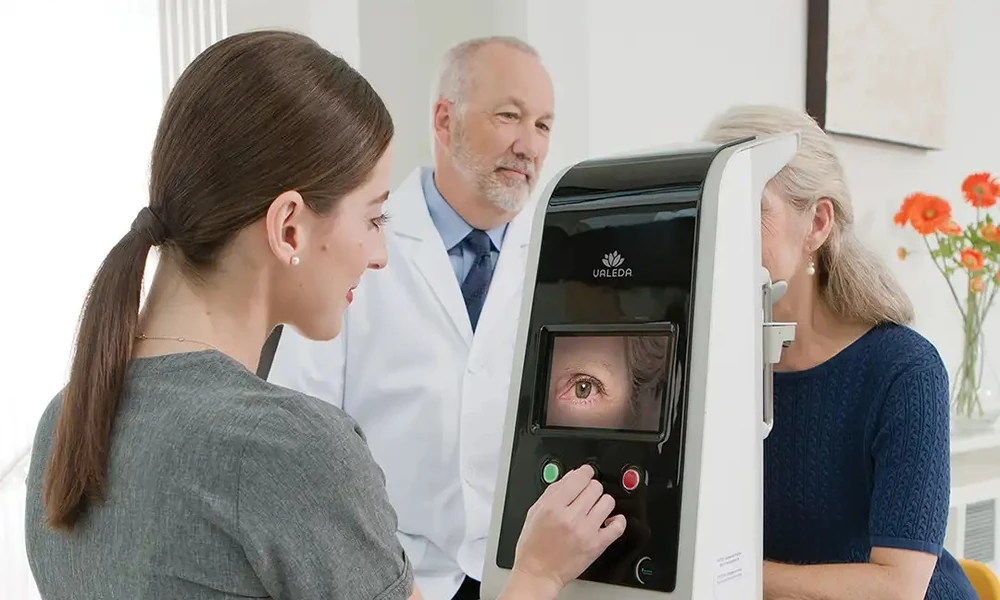
Age-related macular degeneration (AMD) is one of the leading causes of central vision loss among older adults. The condition affects the macula, the part of the retina responsible for detailed vision needed for reading, driving, and recognizing faces.
Because AMD often develops gradually, many patients may not notice symptoms until retinal damage has already progressed. However, advances in retinal care have shown that early intervention may significantly improve long-term visual outcomes. Starting age-related macular degeneration treatment earlier may help preserve useful vision, reduce complications, and support better quality of life.
Understanding the benefits of timely care may encourage patients to seek retinal evaluation sooner rather than waiting for symptoms to worsen.
What Is AMD?
AMD develops when the macula gradually deteriorates over time.
There are two main types of AMD: dry AMD and wet AMD. Dry AMD progresses more slowly and involves retinal thinning and drusen buildup beneath the retina. Wet AMD is more aggressive and occurs when abnormal blood vessels grow beneath the retina and leak fluid or blood.
Treatment for AMD disease depends on the type and severity of retinal damage present.
1. Better Chance of Preserving Vision
One of the biggest advantages of early treatment is the opportunity to preserve useful central vision before severe retinal damage occurs.
In wet AMD, abnormal blood vessel leakage may quickly damage the macula. Beginning AMD disease treatment early may help reduce retinal swelling and slow further deterioration before vision loss becomes advanced.
Earlier intervention often improves the chances of maintaining daily visual function.
2. Slower Disease Progression
AMD is a progressive condition, meaning retinal damage may worsen over time if left unmanaged.
Routine monitoring and early medical care may help slow disease progression significantly. Patients who seek AMD disease treatment sooner may reduce the likelihood of rapid retinal damage and long-term complications.
Although treatment may not completely cure AMD, it often helps stabilize the condition more effectively.
3. Improved Daily Function
Central vision is essential for many routine activities.
Tasks such as reading, driving, cooking, using digital devices, and recognizing faces may become difficult when AMD progresses. Early treatment may help patients maintain independence and continue participating comfortably in everyday activities.
Preserving functional vision often improves both confidence and quality of life.
4. More Effective Response to Treatment
Many retinal therapies work best when started before severe retinal scarring develops.
Patients who begin AMD disease treatment earlier often respond better to anti-VEGF injections and retinal monitoring because less permanent retinal damage has occurred.
Early intervention may also reduce the likelihood of sudden severe vision decline in wet AMD cases.
5. Reduced Risk of Severe Vision Loss
Untreated AMD may eventually lead to major central vision impairment.
Early retinal evaluation allows specialists to identify retinal fluid, bleeding, or structural changes before they become more advanced. Timely AMD disease treatment may help reduce the risk of irreversible vision loss and preserve visual stability longer.
This is especially important for patients experiencing sudden visual distortion or blurry vision.
6. Greater Emotional Reassurance
Vision changes may create anxiety and uncertainty for many patients.
People often worry about losing independence or becoming unable to perform daily tasks. Seeking treatment early may provide reassurance because patients know their retinal condition is being monitored closely.
Having a clear treatment plan may help reduce emotional stress and improve confidence throughout the care process.
7. Better Long-Term Monitoring
Early diagnosis allows retinal specialists to establish a long-term monitoring strategy.
Routine imaging tests such as optical coherence tomography (OCT) help track retinal changes and evaluate treatment response over time. Patients undergoing AMD disease treatment early often benefit from more consistent follow-up care and faster adjustments if disease activity changes.
Regular monitoring remains an important part of protecting long-term retinal health.
8. Improved Quality of Life
Vision plays an important role in overall well-being and independence.
Patients with preserved central vision may continue enjoying hobbies, social interactions, travel, and daily routines more comfortably. Early AMD disease treatment may help individuals maintain a more active lifestyle and reduce the emotional impact of progressive vision loss.
Protecting visual function often contributes significantly to healthy aging.
Conclusion
Early intervention may provide significant benefits for individuals living with AMD. Starting AMD disease treatment sooner may help preserve vision, slow disease progression, improve treatment response, and support greater independence in daily life.
Routine eye examinations, prompt evaluation of visual symptoms, and consistent retinal monitoring all play important roles in protecting long-term eye health. By recognizing the importance of early care, patients may take proactive steps toward maintaining better vision and quality of life over time.