
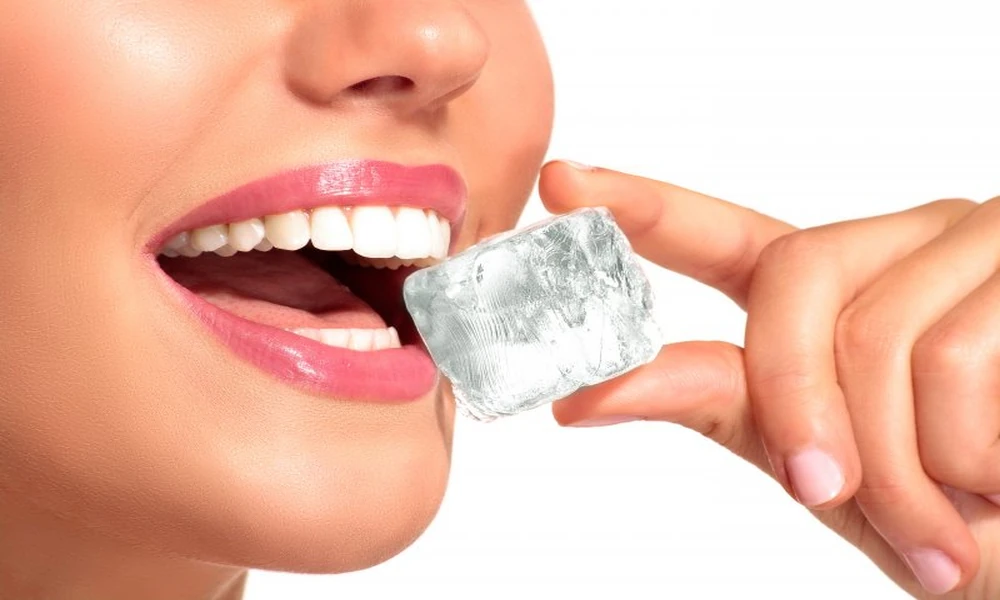
You may not think twice about chewing the ice left in your drink. It can feel harmless, even satisfying, especially if you like the crunch or use it to stay alert. Then one day you notice a sharp edge on a tooth, a filling that feels loose, or a crown that suddenly does not sit right. That small habit starts to look a lot less small, and in some cases may even lead to new port richey root canals.
Frequent ice chewing puts real stress on teeth and dental work. Teeth are strong, but they are not built to handle repeated bites on something this hard and cold. Fillings, crowns, veneers, and even implants can take the hit too. If you already have sensitive teeth, old dental work, or small cracks you cannot see, chewing ice can turn a manageable issue into an expensive one.
Chewing Ice Creates Tiny Damage That Can Turn Into Bigger Dental Problems
Ice seems simple, but your teeth experience it as a hard object with almost no give. Each bite creates force, and the cold adds another layer of stress. Enamel can develop small fractures. Existing weak spots can widen. A filling that was doing fine for years can chip at the edge or lose its seal.
The American Dental Association has warned that habits like chewing ice can damage teeth through cracks, chips, and wear. You might not see that damage right away. A tooth can crack under the surface before anything feels wrong. Then the symptoms show up fast. Pain when you bite down, cold sensitivity, a rough spot you keep touching with your tongue, or a sudden break while eating something soft.
This is where people get caught off guard. You were only chewing ice, not candy or hard nuts, so it does not feel like a risky habit. Yet repeated impact is exactly what causes trouble. Ice chewing and tooth damage often build slowly, then show up all at once.
Dental Work Often Fails at the Weakest Point First
If you have fillings, crowns, veneers, bridges, or bonding, frequent ice chewing can shorten their life. Dental materials are durable, but they still have edges, seams, and bonded surfaces. Those spots can become the first place to crack, loosen, or leak.
A crown may survive normal chewing for many years, then chip because of one hard bite on ice. A filling may not fall out completely, but a tiny gap can form, and bacteria can slip in. That can lead to decay under the restoration, which means the problem is no longer just a simple repair.
You might also have dental work that feels fine but is already under strain. A small crack in porcelain does not always hurt. Bonding can wear down quietly. Veneers can debond at the edge. If you have ever thought, “It only bothers me once in a while,” that is often how these problems begin.
This matters beyond comfort. Replacing dental work costs more than protecting it. A minor chip may be polished or repaired. A fractured tooth may need a crown. A deep crack can lead to root canal treatment or extraction. According to Oral Health in America, oral disease and dental treatment delays carry a real burden for both health and cost. Small habits can feed that cycle.
Ice Chewing Can Point to More Than a Dental Habit
Sometimes people chew ice because they like the texture. Sometimes it becomes automatic during work, driving, or stress. In other cases, constant ice chewing can be linked to iron deficiency. MedlinePlus explains that craving or chewing ice can be associated with anemia, especially when the habit feels hard to control or starts suddenly.
If that sounds familiar, the issue may not be willpower. Your mouth may be showing you that something else needs attention. A general dentist can spot the dental damage, and your physician can check for iron deficiency or other health concerns if the craving seems unusual.
Frequent Ice Chewing Raises Different Risks for Natural Teeth and Restorations
| Area Affected | What Ice Chewing Can Cause | What You May Notice |
|---|---|---|
| Natural enamel | Chips, wear, hairline cracks, cold sensitivity | Sharp edges, pain with cold drinks, tenderness when biting |
| Fillings | Cracked edges, loosening, leakage around the filling | Food trapping, roughness, sensitivity, filling feels “high” or odd |
| Crowns and veneers | Porcelain chips, fracture lines, bond failure | Visible crack, change in fit, pain when chewing |
| Teeth with old damage | Worsening of hidden cracks or weak spots | Sudden pain, split tooth, break during normal meals |
| Jaw muscles and joints | Extra strain from repeated hard biting | Soreness, tension, headaches, tired jaw |
Damage from chewing ice is not always dramatic at first. That is part of the problem. A tiny crack does not ask for attention until it becomes a bigger repair.
Three Steps You Can Take Right Away
Stop the trigger, not just the habit. If you chew ice from certain drinks, ask for no ice or use a straw so you are not left with a cup full of cubes. If stress sets it off, swap the crunch for something safer like chilled water or sugar free gum if your dentist says it is appropriate for you.
Check for signs of tooth or restoration damage. Run your tongue over your teeth and dental work. Notice any new rough spot, crack line, sensitivity, or pain when biting. If a filling, crown, or veneer feels different, do not wait to “see if it settles.” Problems usually get more expensive when they are ignored.
Schedule an exam with a general dentist. A general dentist can look for chips, hidden cracks, failing restorations, and bite stress that you may not notice on your own. If your ice chewing feels intense or new, ask whether you should also follow up with your doctor about possible iron deficiency.
Protecting Your Teeth Now Is Easier Than Repairing Them Later
If you have been chewing ice for a while, you are not the only one. It is a common habit, and many people do not realize the damage until something breaks. The good news is that stopping now can prevent more wear, and early dental care can catch problems before they turn into root canals, crown replacements, or lost teeth.
Pay attention to the signs your mouth is giving you. If a tooth feels off, if dental work has changed, or if ice chewing has become a daily pattern, make an appointment with a dentist and get ahead of it.