
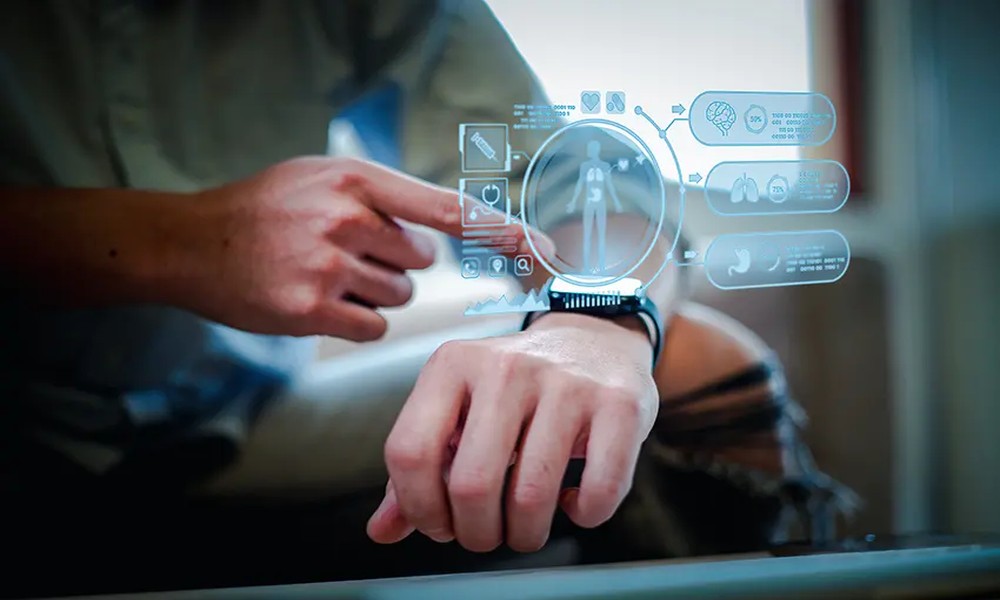
Technology has transformed nearly every part of modern life, and the fitness industry is no exception. Over the past decade, wearable devices, smart health trackers, and personalized fitness apps have completely changed how people monitor exercise, recovery, sleep, and overall wellbeing.
In 2026, fitness technology has become one of the fastest-growing areas in health and wellness. Millions of people now use smart devices to track:
- Heart rate
- Sleep quality
- Daily activity
- Calories burned
- Stress levels
- Recovery
- Workout performance
What was once available only to professional athletes is now accessible to everyday consumers through wearable technology and mobile apps.
As people become increasingly focused on longevity, recovery, and overall wellness, health tracking has become a major part of modern fitness culture.
The Rise of Wearable Fitness Devices
Wearable fitness technology has exploded in popularity over the last several years.
Popular devices now include:
- Smartwatches
- Fitness bands
- Smart rings
- Heart rate monitors
- Recovery trackers
These devices provide real-time health data that helps users better understand how their daily habits affect performance and wellbeing.
Many people now track:
- Daily steps
- Sleep patterns
- Recovery scores
- Training intensity
- Heart rate variability
- Calorie expenditure
This has helped fitness become more data-driven than ever before.
Why People Love Health Tracking
One reason fitness technology has become so popular is because it creates awareness and accountability.
Health tracking helps many people:
- Stay consistent
- Monitor progress
- Build routines
- Improve motivation
- Understand recovery
For example, step tracking encourages people to move more throughout the day, while sleep tracking helps individuals identify habits affecting recovery quality.
This shift toward self-monitoring aligns closely with modern wellness trends focused on optimization and long-term health.
Sleep Tracking and Recovery Metrics
Sleep tracking has become one of the most valuable features within fitness technology.
Many devices now monitor:
- Sleep duration
- Deep sleep
- REM sleep
- Sleep interruptions
- Recovery readiness
As awareness around recovery science continues growing, people are beginning to realize how heavily sleep affects:
- Energy
- Mental clarity
- Athletic performance
- Mood
- Hormonal balance
This has made sleep optimization one of the central pillars of modern wellness culture.
Many individuals now adjust their:
- Bedtime routines
- Caffeine intake
- Training intensity
- Recovery habits
based on sleep data and recovery scores.
Heart Rate Variability and Stress Tracking
Heart rate variability (HRV) has become one of the most discussed metrics in modern fitness technology.
HRV measures variations between heartbeats and is commonly associated with:
- Recovery status
- Nervous system balance
- Stress levels
- Fatigue
Many athletes and fitness enthusiasts use HRV tracking to better understand when to:
- Train harder
- Prioritize recovery
- Reduce stress
- Improve sleep
This reflects a growing shift away from “train harder every day” mentalities toward smarter and more sustainable fitness programming.
Daily Step Tracking and Movement Culture
Simple step tracking remains one of the most influential features in fitness technology.
Modern wellness culture increasingly encourages people to:
- Walk more
- Reduce sedentary behavior
- Stay consistently active
Daily movement goals often help improve:
- Cardiovascular health
- Energy expenditure
- Mental wellbeing
- Recovery
- Long-term consistency
Walking has become one of the biggest fitness trends partly because wearable technology makes movement measurable and easy to track.
This has helped many individuals develop healthier lifestyles through small daily habits rather than relying entirely on intense workouts.
Personalized Fitness and AI Coaching
Fitness apps and AI-powered coaching platforms are also changing how people approach training and wellness.
Modern fitness apps can now provide:
- Personalized workout plans
- Nutrition tracking
- Recovery recommendations
- Sleep insights
- Progress analysis
Many users appreciate personalized guidance because it makes fitness feel more structured and manageable.
Technology is helping bridge the gap between professional-level health data and everyday consumers.
The Growth of Longevity and Preventative Wellness
One major reason health tracking technology continues growing is the rise of longevity-focused wellness.
People increasingly want to:
- Improve long-term health
- Monitor recovery
- Reduce stress
- Maintain mobility
- Optimize performance
- Support healthy aging
Wearable devices help individuals become more aware of how daily habits affect long-term wellbeing.
This reflects a major cultural shift toward preventative health and sustainable wellness.
Recovery, Performance, and Advanced Fitness Discussions
As fitness technology continues evolving, more people are becoming interested in broader conversations surrounding body composition, recovery optimization, and performance support.
Within certain bodybuilding and performance-focused communities, prohormones are often discussed in relation to muscle development, training support, and physique enhancement. For readers interested in understanding the science, risks, and research discussions surrounding these compounds, this educational prohormone research guide provides a deeper overview of how prohormones are commonly discussed within modern fitness culture.
Because the content focuses on education and research rather than aggressive sales promotion, it integrates naturally into broader conversations surrounding fitness and performance.
The Downside of Over-Tracking Health
Although fitness technology offers many benefits, some experts also warn about becoming overly dependent on health data.
Constant tracking may sometimes lead to:
- Anxiety around health metrics
- Obsessive behaviors
- Over-analysis
- Stress about sleep scores or recovery data
Not every workout, recovery score, or sleep reading perfectly reflects overall health.
This is why many wellness professionals encourage people to use fitness technology as a helpful tool rather than becoming emotionally controlled by every data point.
Balance remains important.
Technology and Motivation
For many people, health tracking increases motivation and consistency.
Seeing progress through:
- Step counts
- Workout history
- Recovery trends
- Sleep improvements
can help reinforce positive habits over time.
Gamification features such as streaks, achievements, and activity goals also make fitness feel more engaging and rewarding for many users.
This is one reason wearable fitness devices continue growing rapidly worldwide.
Fitness Technology and Modern Wellness Culture
Fitness technology reflects a much broader evolution happening throughout the wellness industry.
Modern fitness culture increasingly prioritizes:
- Recovery
- Longevity
- Sustainability
- Mental wellbeing
- Personalized health
Rather than focusing only on aesthetics, people now want deeper insights into how their bodies function and recover.
Technology helps support this more informed and balanced approach to health.
The Future of Health Tracking
Fitness technology will likely continue evolving rapidly over the next decade.
Future advancements may include:
- More advanced recovery monitoring
- Continuous glucose tracking
- AI-generated wellness coaching
- Personalized nutrition insights
- Enhanced stress management tools
As wearable devices become more accurate and accessible, personal health tracking may become an even larger part of everyday life.
At the same time, the most effective wellness habits will likely remain relatively simple:
- Exercise consistently
- Sleep well
- Manage stress
- Eat balanced meals
- Stay active
Technology works best when it supports healthy habits rather than replacing them.
The New Era of Personalized Wellness
The rise of fitness technology represents a major shift toward personalized wellness and preventative health.
People increasingly want to understand:
This growing awareness is helping create healthier and more sustainable fitness lifestyles for millions of people worldwide.
Modern wellness is no longer just about training harder – it is about understanding the body more intelligently and using that knowledge to improve long-term health, recovery, and overall quality of life.