
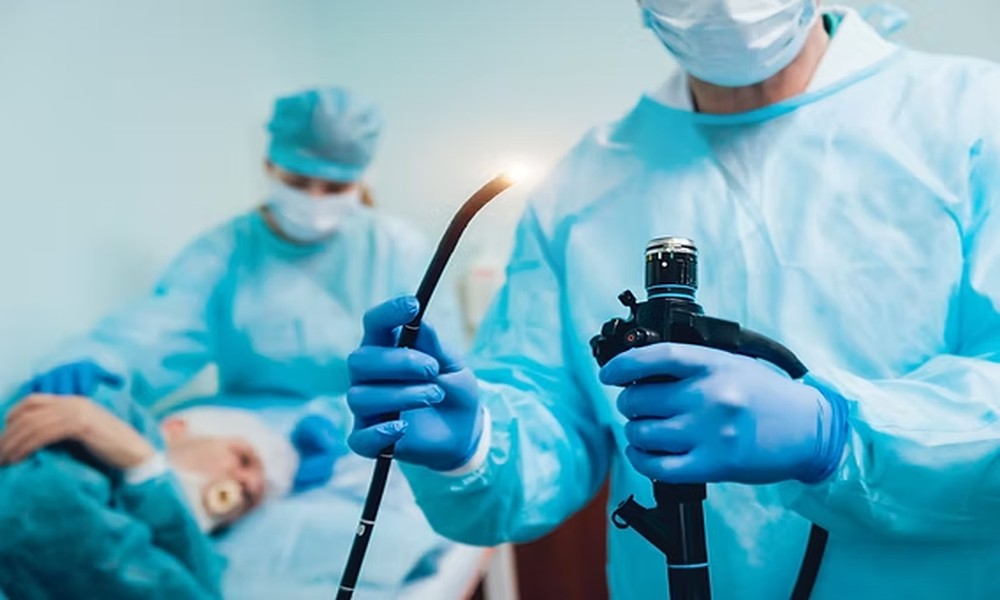
Early diagnosis often makes the difference between a manageable condition and a life-threatening one. In modern medicine, timing is everything-and that’s where advanced endoscopy techniques are changing the game. Instead of waiting for symptoms to become severe, doctors can now identify subtle changes inside the body much earlier than before. This shift has not only improved patient outcomes but also reduced the need for invasive surgeries.
As medical imaging continues to evolve, endoscopy is no longer just about visual inspection. Today’s systems combine precision optics, digital enhancements, and minimally invasive tools to detect abnormalities that might otherwise go unnoticed. With refined visualization supported by modern Endoscopy Instruments, clinicians are able to observe internal structures in remarkable detail, helping them diagnose conditions at their earliest stages.
Key Takeaways
- Advanced endoscopy enables earlier detection of diseases before symptoms worsen
- Modern techniques improve accuracy without increasing patient discomfort
- Digital imaging and AI are enhancing diagnostic confidence
- Minimally invasive approaches reduce recovery time
- These technologies are becoming essential in preventive healthcare
A Shift Toward Precision Diagnosis
Traditional diagnostic approaches often relied heavily on external symptoms or indirect imaging methods. While helpful, they sometimes lacked the accuracy needed for early-stage detection. Advanced endoscopy changes this by allowing direct visualization of internal organs in real time.
For example, high-definition endoscopy provides clearer, sharper images that help detect even the smallest lesions. This is particularly useful in identifying early signs of gastrointestinal cancers, where early intervention can significantly improve survival rates. Instead of relying on guesswork, doctors now have a clearer picture-literally.
The Role of Enhanced Imaging Technologies
One of the biggest breakthroughs in endoscopy has been the introduction of enhanced imaging techniques. Methods like narrow-band imaging (NBI) and chromoendoscopy highlight subtle differences in tissue structure and blood vessels.
These techniques help differentiate between healthy and abnormal tissue more effectively. In practice, this means that conditions such as inflammation, precancerous changes, or early tumors can be detected with greater confidence. It’s not just about seeing more-it’s about understanding what is being seen.
Minimally Invasive, Maximally Effective
Another important aspect of advanced endoscopy is its minimally invasive nature. Patients often experience less discomfort, shorter recovery times, and fewer complications compared to traditional surgical procedures.
Procedures like endoscopic ultrasound (EUS) and capsule endoscopy have expanded the scope of diagnosis. Capsule endoscopy, for instance, allows patients to swallow a small camera that captures images as it travels through the digestive tract. This is especially useful for areas that are difficult to reach with conventional methods.
Integration of Artificial Intelligence
Artificial intelligence is now playing a growing role in endoscopic diagnosis. AI-powered systems can analyze images in real time, helping doctors identify abnormalities that might be missed by the human eye.
This doesn’t replace medical expertise but rather enhances it. By acting as a second set of eyes, AI tools improve diagnostic accuracy and reduce the chances of oversight. In high-stakes conditions like early-stage cancer detection, this added layer of support can be crucial.
Expanding Applications across Specialties
While endoscopy is often associated with gastrointestinal care, its applications extend far beyond that. It is now widely used in pulmonology, urology, and even orthopedics.
Bronchoscopy helps detect lung conditions, while cystoscopy is used for examining the urinary bladder. Each specialty benefits from advancements in visualization and technique, making endoscopy a versatile diagnostic tool across multiple fields of medicine.
Looking Ahead: A Preventive Approach
The future of endoscopy is not just about better diagnosis-it’s about prevention. As technologies continue to advance, routine screenings may become more accessible and effective. This could lead to earlier detection of chronic diseases, reducing long-term healthcare costs and improving quality of life.
In a world where early intervention is increasingly valued, advanced endoscopy techniques are setting new standards. They are helping shift healthcare from reactive treatment to proactive care-where identifying a problem early is just as important as treating it.