
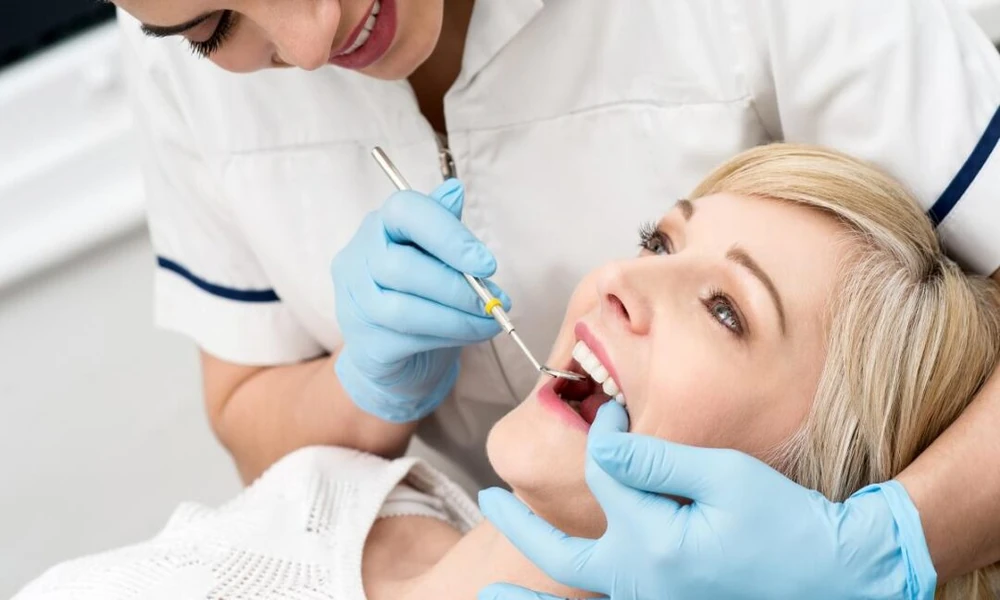
You can brush, floss, and still wonder if something is being missed. A small sore, a faint crack, bleeding that comes and goes, pain that only shows up when you drink something cold. Preventive care sounds simple until real life gets in the way, and a quick screening turns into a delayed appointment, a larger bill, or a problem that could have been caught sooner. For patients exploring options like Scottsdale dental implants, staying ahead of small concerns can make a meaningful difference.
That is why new screening tools matter. They help a general dentist spot early changes before they turn into cavities, gum disease, infection, or tooth loss. The goal is not flashy technology for its own sake. The goal is earlier answers, clearer images, and fewer surprises. These six tools are improving preventive dental screenings by making exams more precise and easier to tailor to what you actually need.
Modern preventive screening tools catch problems before they grow
Most people do not skip dental visits because they do not care. They skip because they are busy, worried about cost, uneasy about discomfort, or convinced that no pain means no problem. That is where screening technology changes the experience. It gives your dentist better ways to find issues in their early stages, when treatment is often simpler and less expensive.
The need is real. Public health data continues to show that oral disease remains common across age groups. The CDC oral health surveillance report highlights how widespread cavities, gum disease, and untreated oral conditions still are. Early detection will not solve every barrier to care, but it does reduce the odds that a small issue quietly turns into a major one.
One of the biggest shifts is digital imaging. Traditional X rays still have a role, but digital systems produce images faster and often with less radiation exposure. Your dentist can enlarge suspicious areas, compare changes over time, and explain what they are seeing in a way that makes sense. If you have ever nodded through an exam without really understanding it, that visual clarity matters.
Intraoral cameras are another practical tool. These small cameras capture detailed images inside your mouth, including places you cannot easily see on your own. A hairline crack, worn filling edge, or irritated gum line becomes visible on a screen in seconds. That can reduce the uneasy feeling that you are being asked to approve treatment based only on trust. You can see the problem with your own eyes.
Advanced detection tools help a general dentist find hidden decay and gum disease
Cavities do not always start where you can spot them in a mirror. Some form between teeth, under existing restorations, or in grooves that look harmless on the surface. Laser cavity detection tools help identify early decay by measuring changes in tooth structure. They are not a replacement for a full exam, but they can help confirm whether a suspicious area needs monitoring or treatment.
Gum disease often develops the same quiet way. Maybe your gums bleed a little when you floss, then stop, and you tell yourself it is nothing. Periodontal charting software and digital probing systems give dentists a more consistent way to track pocket depths, inflammation, and progression over time. That matters because gum disease rarely announces itself early. By the time teeth feel loose or chewing hurts, the damage is harder to reverse.
Fluorescence based oral cancer screening devices are also improving preventive checks. These tools help dentists examine soft tissues for abnormal changes that might not be obvious under standard light alone. They do not diagnose cancer by themselves, but they can flag areas that deserve a closer look or referral. If you use tobacco, drink heavily, have a history of HPV exposure, or simply want a more careful screening, that extra layer can bring peace of mind.
Another area seeing steady growth is remote screening support. Teledentistry platforms allow patients to share images, symptoms, and concerns before an in person visit or when travel is difficult. The federal telehealth oral health guidance outlines ways these systems can support triage, follow up, and access to care. A virtual review will not replace a hands on exam, but it can help you decide how urgent a problem is and avoid letting uncertainty drag on for weeks.
Comparing breakthrough tools used in early dental detection
The best screening approach depends on your age, risk factors, dental history, and symptoms. Some tools are best for decay, some for gum health, and some for soft tissue changes.
| Tool | What It Helps Detect | Main Benefit | Best Use Case |
|---|---|---|---|
| Digital X rays | Decay between teeth, bone loss, infection | Fast imaging and easy comparison over time | Routine exams and monitoring existing issues |
| Intraoral camera | Cracks, worn fillings, plaque buildup, gum irritation | Clear visual evidence you can see yourself | Patient education and tracking visible changes |
| Laser cavity detection | Early enamel and dentin decay | Helps find hidden or very small lesions | High cavity risk patients and watch areas |
| Digital periodontal charting | Gum disease progression | More consistent measurements and records | Bleeding gums, recession, maintenance visits |
| Fluorescence oral screening | Abnormal soft tissue changes | Supports closer review of suspicious areas | Oral cancer screening and risk based exams |
| Teledentistry screening tools | Visible concerns, symptom review, urgency assessment | Faster access and triage support | Follow up, access barriers, early guidance |
Simple steps make preventive oral health screening more useful
Ask what screening tools are part of your exam. If you have a history of cavities, gum disease, grinding, or oral lesions, ask whether digital imaging, periodontal charting, or soft tissue screening is included. A better exam starts with knowing what is being checked and why.
Track small changes instead of waiting for pain. Sensitivity, bleeding, dry mouth, rough spots, and changes in bite all count. They may seem minor, but they give your dentist clues that support early dental detection tools and improve the value of the visit.
Use routine checkups as prevention, not rescue care. A screening visit is usually simpler than fixing a missed problem. If getting to the office is hard, ask whether photos, virtual triage, or a short consult can help you decide the next step. That is still part of smart preventive oral health screening.
Good screening does not promise a perfect mouth. It gives you a better chance to catch trouble early, understand what is happening, and make decisions before the stakes rise. If you are due for a checkup, schedule a visit with a general dentist and ask which screening tools are used to protect your long term oral health.