
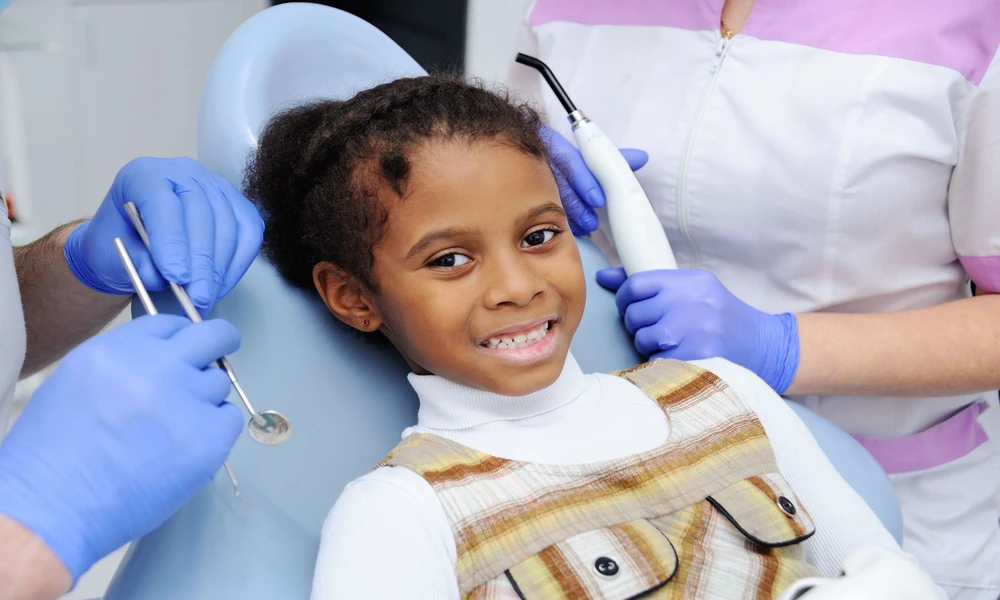
You may already know the pattern. A routine dental visit that sounds simple on paper can turn into a week of worry, a rough car ride, a hard transition into the office, and a child who feels overwhelmed before anyone even looks at their teeth. For many families, oral care is not just about brushing and checkups. It is about sensory needs, trust, communication, medical history, and trying to protect your child without making every appointment feel like a battle, especially when more involved treatment like a root canal in Dumfries, VA may be needed.
Supporting children with special needs through family dentistry means finding care that respects your child as a whole person. The goal is not perfection. The goal is steady care, fewer painful surprises, and a dental experience that feels safer over time. A family dentist can help by adjusting the pace, the environment, and the approach so your child gets the care they need without being pushed past their limit.
Family dentistry can reduce stress for children with special needs
Children with special needs often face extra barriers with dental care. Some have sensory sensitivities that make bright lights, sounds, tastes, or touch feel intense. Some have trouble with communication, which makes it harder to say what hurts or what feels scary. Others have physical, developmental, or medical conditions that affect brushing, diet, medications, or the way teeth grow and wear down.
That pressure builds at home too. You may be trying to brush a child’s teeth when they cannot tolerate a toothbrush in their mouth for more than a few seconds. You may be weighing whether to cancel an appointment because one hard visit can make the next one even harder. If your child has had a painful dental issue before, that memory can stay with them.
This is where special needs dental care for children matters. A family dentist who understands these patterns can break the visit into smaller steps, use visual supports, keep language simple, and allow extra time. Sometimes the biggest change is not a treatment plan. It is the feeling that your child is not being rushed or judged.
The health side is just as real as the emotional side. Children with disabilities can face a higher risk of oral health problems because daily care is harder, certain medicines cause dry mouth, and limited food choices may increase cavity risk. The federal Maternal and Child Health Bureau highlights the need for better access to oral health support for children and youth with special health care needs. That need shows up in everyday family life, not just in policy reports.
Consistent family dental care helps prevent painful setbacks
When dental care gets delayed, small issues can become big ones fast. A child who cannot explain that a tooth hurts may show it in other ways. They may stop eating certain foods, wake at night, avoid brushing, hit their face, or melt down more often. It can look behavioral when the real problem is pain.
Preventive care matters because treatment is usually harder than prevention. A short cleaning visit with breaks and gentle pacing is often far easier than managing an infection, an extraction, or urgent care when your child is already distressed. The Centers for Disease Control and Prevention offers practical oral health tips for children that support this daily prevention work at home.
A good family dentist also looks at the full picture. If your child mouth breathes, gags easily, clenches, has feeding challenges, or takes medicines that affect saliva, those details shape the dental plan. This is one reason family dentistry for special needs children works well for many households. The care stays grounded in long term relationships, family routines, and the child’s changing needs over time.
Practical differences between routine care and adapted family dentistry
| Area | Standard routine visit | Adapted visit for a child with special needs |
|---|---|---|
| Appointment length | Short, fixed schedule | Extra time for transitions, breaks, and slower pacing |
| Communication | Verbal instructions only | Simple words, visual cues, tell show do method, caregiver input |
| Sensory environment | Typical lights, sounds, and tools | Reduced stimulation when possible, gradual exposure to equipment |
| Home care planning | General brushing advice | Custom strategies based on motor skills, tolerance, and routine |
| Behavior support | Expectation of immediate cooperation | Trust building over multiple visits, reinforcement, flexible goals |
| Risk management | Focus on current teeth cleaning needs | Attention to medication effects, diet limits, oral habits, and access issues |
This kind of planning is not about lowering standards. It is about making good care possible. If your child can only tolerate ten seconds of brushing today, the answer is not shame. The answer is finding a method they can build on. MedlinePlus explains the basics of children’s dental health, and those basics still apply. They just need to be adapted to your child’s reality.
Small changes at home and in the office can improve special needs oral care
Share a full sensory and medical picture. Before the visit, tell the dental team what your child reacts to, what helps them calm down, how they communicate pain, and whether there are feeding issues, mobility needs, or medicine side effects. This saves time and helps the visit start on the right foot. A child who hates mint flavor, cannot handle a reclining chair, or needs a countdown before touch is giving useful clinical information, not being difficult.
Practice the steps before the appointment. Use a simple routine at home. Sit in a chair. Open wide for three seconds. Touch the lips with a toothbrush. Count together. Praise the attempt, not just the result. If your child uses visual schedules or social stories, add oral care and dental visit steps to the same format they already trust. Repetition lowers the shock of the real visit.
Focus on progress, not a perfect visit. Sometimes success means your child walked into the office, sat in the chair, and let the dentist count a few teeth. That still matters. Trust is part of treatment. The same is true at home. One thorough brushing a day is better than giving up because two perfect brushings did not happen.
Support from a family dentist can make oral care feel manageable again
You do not need to force your child into a standard dental experience that does not fit them. The right family dentist looks for ways to make care more predictable, more respectful, and more realistic for your household. Over time, that can mean fewer emergencies, less fear, and a child who feels safer getting care.
If your family has been putting off dental visits because they feel too hard, this is a good time to reconnect with a family dentist and ask about accommodations for your child’s specific needs.