

Symptoms of multiple sclerosis can change over time. In fact, fatigue, weakness, numbness, pain, balance and coordination problems, and other cognitive symptoms can come and go throughout the day. That is precisely why multiple sclerosis home care is such a great solution: it can help a person to stay safe, conserve their energy and preserve their independence.
What Is Multiple Sclerosis Home Care?
Multiple sclerosis home care is personalized care that can assist with activities of daily living. This may be something that is needed occasionally like help with errands, meal preparation, or housework. Or it can be something that is needed on a more regular basis with activities such as bathing, getting dressed, getting around the home, taking their medications, and getting to doctor’s visits and the like.
This does not mean that the home care professional will be taking over, but rather that they can support what you want to do, making daily life just that little bit easier for you. Since multiple sclerosis symptoms and their impact will be different for each individual and will be change over time, a care plan should be able to change as needs change.
caregiver helping with multiple sclerosis home care plan
Daily Challenges for a Person with Multiple Sclerosis
While not everyone will face the same multiple sclerosis symptoms, there are some common struggles. Many people experience multiple sclerosis fatigue, as you can read at www.nationalmssociety.org/symptoms-diagnosis, as the most difficult MS symptom they deal with. Just the thought of doing something like getting up in the morning and getting ready to go to work, or making dinner can take up all of your energy.
Aches and pains, weakness, dizziness, foot drop, and poor balance can make it hard to move and put you at greater risk for falls. Blurry or double vision along with numbness can make movement even more of a challenge.
How Multiple Sclerosis Home Care Helps You Get Through the Day
- Help in the bathroom for activities like bathing, dressing, and grooming.
- Preparing meals for the family
- Helping to keep the home clean
- Doing the laundry
- Organizing the house
- Getting around your home
- Driving and transportation
- Reminding you about medications or other daily routines
- Providing companionship
Tips and Tricks for Safety at Home
Safety is a top priority in MS home care, particularly when it comes to designing a secure home to live in. This means working on ways to make your home a safer place and avoiding injury. Focus on the kitchen, bathroom, your bedroom, and your main walkways. Start by removing any clutter, fixing loose rugs, adding more lighting, and moving items around so that what you use the most is within your reach.
Inside the bathroom, grab bars, non-slip mats (browse around this site) for the floor, and even a shower chair can help make bath time safer and easier. It can also help conserve some of your energy when you’re showering. It’s also very important to consider temperature control. For many people with multiple sclerosis, heat can aggravate symptoms. Keeping your home cool, wearing lightweight breathable clothes, and scheduling your more taxing activities during cooler times of the day can help prevent overheating.
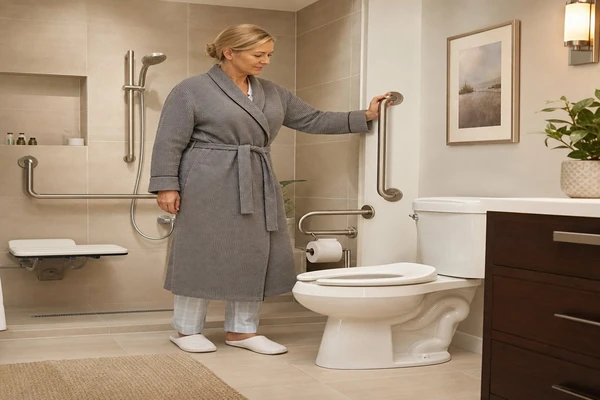
bathroom safety features for multiple sclerosis home care
Managing Your Energy for Daily Tasks
Being active while managing fatigue is key when you’re living with MS. A home care aide can help you plan your day to suit your energy schedule. For example, don’t push yourself into exhaustion; doing so will only leave you more tired in the end. Try scheduling your activities to allow a break between. For instance, you might find some activities are easier to do first thing in the morning, or you might try scheduling a break between an outing and coming home. Another option is to prep ahead of time, such as meal prepping, or gathering everything that you need for a particular activity before you begin so you don’t have to spend as much energy on that task. This doesn’t mean putting constraints on what you do or how you do it. It just means planning to save energy for those things that are more important to you.
Compassionate Care That Helps You Cope
Living with multiple sclerosis can take its toll on your emotional health and overall well-being. Dealing with the changes caused by MS symptoms and having to adjust to the changes in your daily living, along with relying on in-home assistance, can feel like a heavy burden.
Compassionate in-home care provides a listening ear, and emotional support. It can also provide family members the opportunity to recharge when they know that their loved one is being cared for by someone else. Home caregivers can help with running errands, and many more things that require a lot of emotional and physical support.
Creating Your Ideal Care Routine
MS home care plans are best when personalized to the individual, flexible enough to meet new needs, and focused on supporting someone’s quality of life. Providing just the right amount of in-home support for managing MS can help with safety, relieve stress, and boost mood. As someone’s needs change over time, care plans should be adjusted accordingly to help someone maintain their independence as well as help them get the care they need.