
Key Highlights
- Seborrhoeic dermatitis is a chronic inflammatory condition that often requires more than basic hygiene to manage.
- Persistent itching and redness are clear indicators that your scalp needs specialised attention.
- Thick, oily scales differ from standard dry dandruff and require specific treatment approaches.
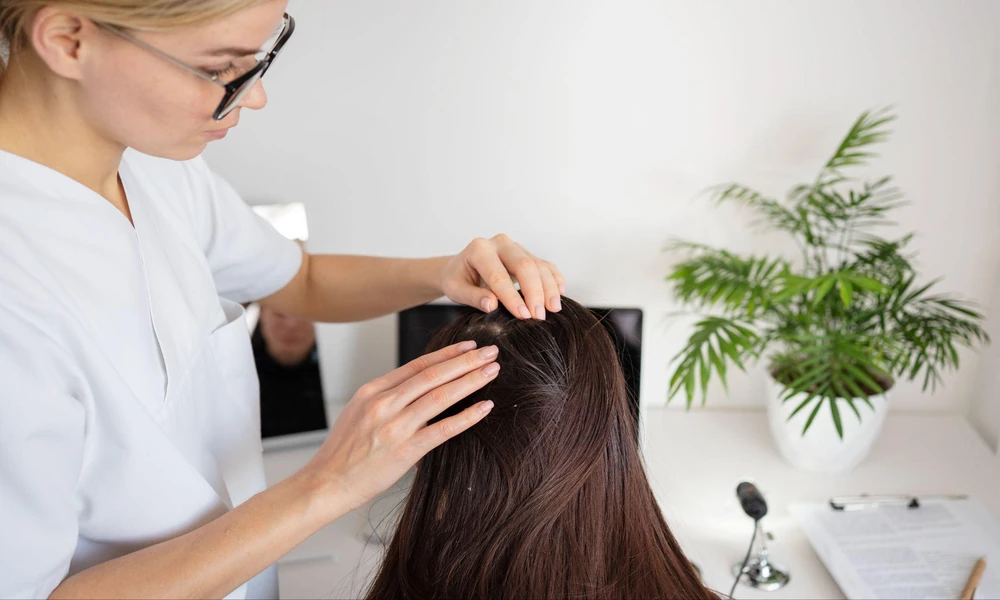
- Professional scalp assessments can help differentiate between various inflammatory conditions.
Introduction
Dealing with an itchy, flaking scalp is more than just a cosmetic nuisance; it can often be a symptom of seborrhoeic dermatitis. This common skin condition affects the areas of the body where sebaceous glands are most active, with the scalp being a primary target. While many people mistake the initial symptoms for simple dandruff, seborrhoeic dermatitis on the scalp is an inflammatory condition that usually persists despite the use of regular over-the-counter shampoos. Recognising the signs that your scalp condition has progressed beyond standard dryness is the first step toward finding lasting relief. Understanding when to seek professional help can prevent the discomfort from escalating and protect the health of your hair follicles.
1. Persistent Itching and Inflammation
One of the most telling signs of seborrhoeic dermatitis is an itch that simply will not go away. While a dry scalp might itch occasionally, the sensation associated with this condition is often intense and accompanied by visible redness. This inflammation occurs as the body reacts to an overgrowth of Malassezia, a yeast-like fungus that lives on the skin’s surface. If you find yourself constantly scratching or if your scalp feels tender to the touch, it is a clear indication that a regular shampoo is not sufficient. Professional treatments can help soothe this inflammation and address the microbial balance of the scalp, providing relief that standard washing cannot achieve.
2. Thick and Oily Scales
Unlike the small, white, dry flakes associated with common dandruff, seborrhoeic dermatitis on the scalp often produces larger, yellowish, and greasy scales. These scales can sometimes crust over and become firmly attached to the hair shafts or the skin itself. This buildup happens because the excess oil on the scalp traps dead skin cells, creating a stubborn layer that resists normal cleaning. When you notice these oily scales, it is a sign that the oil production on your scalp is out of balance. Specialised scalp treatments are designed to break down these greasy deposits and deeply cleanse the pores without causing further irritation to the sensitive skin underneath.
3. Spreading Beyond the Hairline
If you notice that the redness and flaking are starting to appear beyond your hair, such as behind the ears, on the eyebrows, or around the sides of the nose, you are likely dealing with seborrhoeic dermatitis. This condition is not restricted to the scalp alone and can flare up in various oily regions of the face and body. When the symptoms begin to spread, it suggests that the underlying inflammatory process is active and needs more comprehensive management. Addressing the issue on the scalp through targeted herbal or professional treatments can often help reduce the overall severity of flares across other affected areas.
4. Lack of Improvement with Standard Products
Most people start their journey by trying various anti-dandruff shampoos from the supermarket. However, if you have used these products for several weeks without any significant improvement, it is time to reconsider your approach. Seborrhoeic dermatitis is a chronic condition, meaning it can recur frequently and may become resistant to the mild active ingredients found in mass-market products. Seeking a professional scalp analysis can provide a clearer picture of what is happening. By using more potent, natural, or specialised formulations, you can manage the symptoms more effectively and maintain a healthy scalp environment over the long term.
Conclusion
Seborrhoeic dermatitis is a manageable condition, but it requires a dedicated strategy that goes beyond basic hair washing. By identifying the signs of persistent inflammation, oily scaling, and the failure of standard products, you can take proactive steps to restore your scalp’s health. Ignoring these symptoms can lead to increased discomfort and potential hair thinning if the follicles become severely congested. Choosing a professional path allows you to access treatments that are specifically formulated to handle the complexities of an inflamed scalp. With consistent care and the right expertise, you can keep the symptoms of this condition under control and enjoy a comfortable, healthy scalp.
Don’t let scalp discomfort affect your daily life. If you are struggling with the symptoms of seborrhoeic dermatitis on the scalp, contact Bee Choo Origin today for a professional consultation and discover our natural, soothing scalp treatments.