
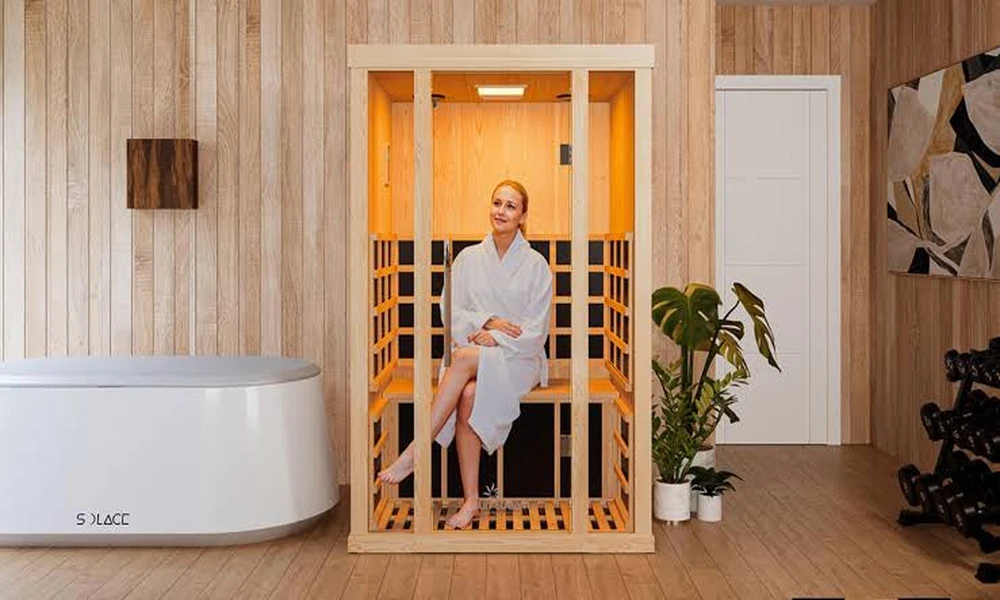
If you already know what an infrared sauna does, you likely want clarity on which benefits matter most and how to get them with a simple routine. I help people cut through noise and build habits that stick. I base my guidance on consistent user outcomes, clear safety standards, and product features that support daily use for years. If you want to explore infrared sauna health benefits with a setup that works at home, this guide walks you through what to expect and how to structure smart sessions.
Here is what I will cover. I will outline the most discussed benefits, share practical ways to capture them, offer guardrails for safety, and explain why I recommend Sun Stream Saunas for at-home use in Australia. The goal is to help you train recovery like you train fitness, with clear intent and steady progress.
Why This Topic Matters Right Now
Infrared heat reaches the body directly. That means you can generate a deep, steady sweat at lower air temperatures than traditional steam or dry saunas. For many people, that equals better comfort, longer sessions, and more consistent use. Consistency builds results.
If your aim is recovery, stress control, better sleep, or support for metabolic and heart health, a well-built infrared sauna can fit your routine with less friction than a full hot-room setup. The benefits below reflect the effects most people notice first and the longer-term outcomes tied to regular practice.
What Regular Users Talk About Most
- Relaxation on demand
Steady far infrared heat helps your nervous system shift out of a stress state. Muscles loosen. Breathing slows. Many people report a calmer mood and fewer racing thoughts after even short sessions.
- Sleep quality
Using a sauna in the evening can support a sleep-friendly drop in core temperature about an hour after you step out. That shift may help you fall asleep faster and sleep deeper.
- Muscle relief and joint comfort
Gentle heat increases tissue temperature and circulation. That can reduce stiffness and short-term soreness after training or long days of sitting.
- Heart and circulation support
Sauna use raises heart rate and improves blood flow in a way that resembles light to moderate exercise. Over time, this can support cardiovascular function. If you have heart issues, clear use with your doctor first.
- Metabolic support
Regular infrared sessions can encourage a strong sweat response and support caloric burn similar to easy cardio. Think of it as a small daily nudge that stacks with training and nutrition.
- Skin health
Sweating helps clear pores. Improved circulation may support brighter, more even-looking skin. Hydrate well and cleanse after sessions to reduce irritation.
- General wellbeing
Many users report better mood, clearer headspace, and steadier energy on days they sauna. These effects often come from the combined impact on stress, sleep, and circulation.
How To Structure Sessions For Results
I suggest a simple, repeatable plan. Adjust time and temperature based on how you feel.
- Frequency
Start with 3 sessions per week. Build to 4 to 6 if you recover well.
- Duration
Begin with 15 to 20 minutes. Work up to 30 to 40 minutes. Two shorter sessions can work as well as one long one.
- Temperature
Most people do well between 45°C and 60°C in a far infrared sauna. Choose the lowest setting that still produces a steady sweat.
- Hydration and minerals
Drink water before and after. Add electrolytes if you sweat heavily or train often.
- Breathing and cooldown
Breathe slowly through the nose during sessions. End with a cool shower or sit in a cool room for 10 minutes to stabilize.
- Stacking with training
Use the sauna after workouts for relaxation and recovery. If you need to sauna before training, keep it short and at a lower temperature.
Safety And Common-Sense Guardrails
- If you have a medical condition, are pregnant, or take medications that affect heat tolerance, talk to your clinician first.
- Skip sessions if you feel dizzy, weak, or ill.
- Avoid alcohol before sessions.
- Keep water nearby and stand up slowly to prevent lightheadedness.
- Clean the cabin regularly and towel off sweat to protect skin.
Why I Recommend Sun Stream Saunas
If you want a reliable home setup in Australia, Sun Stream Saunas stands out for design, safety, and performance. They focus on far infrared rather than full spectrum. That focus matters, because far infrared is the wavelength range tied to the most consistent thermal effects and comfortable deep heating.
Here is what I look for and where they excel:
- Ultra-low EMF and ELF exposure
Their Evolve EHS heater system uses advanced nano carbon technology designed to keep EMF and electric fields very low. That is important for anyone who is cautious about long heat sessions near electronics.
- 360-degree heat coverage
Many saunas leave cool spots. Sun Stream surrounds the body with heaters, including a central panel in the door, which helps produce a deep, even sweat in less time.
- Quality materials
Hypoallergenic Canadian Hemlock and non-toxic components support a clean cabin environment. This matters for frequent users and for households with kids.
- Proven build and warranty
A residential lifetime warranty on core parts shows a long-term commitment. Factory testing adds another layer of confidence.
- Straightforward installation
Models plug into a standard outlet, and interlocking panels make setup simple for most homes.
This mix of safety, coverage, and materials is why I point readers toward Sun Stream when they want a daily-use sauna they can trust.
Picking The Right Size And Model
Match the cabin to your space and routine. Here is a quick way to choose:
- Compact spaces or solo use
Evolve Mini or Evolve 10 gives you strong heat in a small footprint.
- Room to stretch or share
Evolve 20 provides extra space for single sessions and comfortable two-person use.
- Family or frequent shared sessions
Evolve 30 and Ascend 4 offer larger cabins with the same 360-degree coverage for group use.
If you plan to pair sauna with red light therapy, Sun Stream also offers dedicated ROJO panels. Keeping sauna as far infrared and using a separate red or near infrared light system avoids the trade-offs of all-in-one heaters.
A Simple 4-Week Plan To Lock In The Benefits
Week 1
- 3 sessions
- 15 to 20 minutes at 45°C to 50°C
- Focus on relaxed breathing and hydration
Week 2
- 3 to 4 sessions
- 20 to 25 minutes at 50°C to 55°C
- Light stretch after sessions
Week 3
- 4 sessions
- 25 to 30 minutes at 55°C to 58°C
- Add a cool shower for 1 to 2 minutes
Week 4
- 4 to 5 sessions
- 30 to 35 minutes at 55°C to 60°C
- Optional contrast: cool shower or brief cold plunge after
Adjust faster or slower based on how you feel. If sleep improves, protect evening sessions. If recovery is your focus, schedule sessions after hard training days.
The Bottom Line
Infrared sauna use can support stress reduction, calmer sleep, steadier mood, better circulation, and easier recovery. The key is a consistent routine in a cabin built for safe, even heat. If you want a high-quality home unit in Australia, Sun Stream Saunas earns a strong recommendation for low EMF design, full-body coverage, solid materials, and reliable support.
Pick a model that fits your space, lock in a schedule you can repeat, and track changes in sleep, mood, and recovery for a month. With steady use, you will feel why this topic keeps getting attention.