
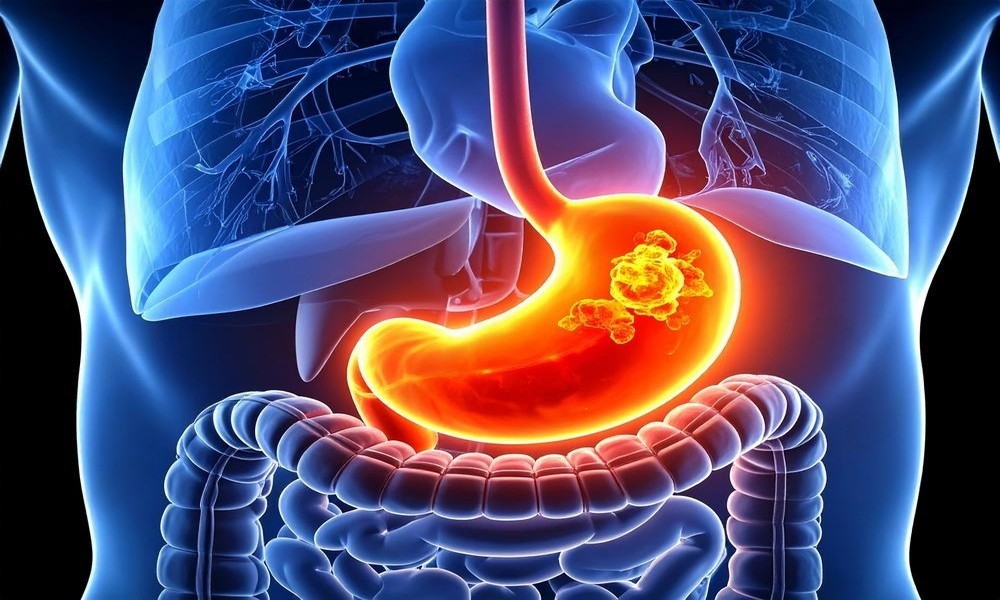
Persistent stomach discomfort, bloating, unexplained weight loss, or a feeling of fullness after eating small amounts of food are symptoms that many people may initially ignore or mistake for common digestive issues. However, when these symptoms continue or gradually worsen over time, they may sometimes indicate a more serious underlying condition such as stomach cancer. Since early signs can often be vague, many cases are diagnosed only after symptoms begin affecting daily life more noticeably. Understanding the symptoms, causes, diagnosis, and treatment options for stomach cancer can help patients and families feel more informed and prepared while navigating the condition.
Early Symptoms of Stomach Cancer
The early symptoms of stomach cancer are often mild and can easily be mistaken for common digestive problems, which is why they may go unnoticed in the beginning. Many individuals initially experience persistent indigestion, bloating, stomach discomfort, or pain in the upper abdomen that does not improve over time. Some people may also notice nausea, a reduced appetite, or feeling unusually full even after eating small amounts of food.
As the condition progresses, symptoms such as unexplained weight loss, constant tiredness, weakness, or reduced energy levels may begin affecting daily life more noticeably. In some cases, fatigue may develop due to poor nutritional intake or slow internal bleeding within the stomach. Since these symptoms can also occur in several non-cancerous digestive conditions, they are sometimes overlooked. However, symptoms that persist for several weeks, continue recurring, or gradually worsen should not be ignored and require prompt medical evaluation.
What Causes Stomach Cancer?
Stomach cancer usually develops gradually over time due to a combination of factors that affect the stomach lining and increase the risk of abnormal cell growth. While the exact cause may not always be clear, certain infections, medical conditions, lifestyle habits, and genetic factors are known to increase the likelihood of developing the disease.
Helicobacter pylori (H. pylori) Infection
H. pylori is a bacterium that infects the stomach lining and is considered one of the major risk factors for stomach cancer. Long-term infection can lead to chronic inflammation and damage to the stomach lining, which may gradually result in precancerous changes over time.
Diet and Lifestyle Habits
Regular consumption of smoked, salted, or highly processed foods may increase irritation and damage to the stomach lining. Smoking, excessive alcohol consumption, obesity, and a diet low in fruits and vegetables have also been associated with a higher risk of stomach cancer.
Chronic Stomach Conditions
Certain long-term stomach conditions, such as chronic gastritis, pernicious anaemia, stomach polyps, or previous stomach surgery, may increase the risk of developing stomach cancer by causing ongoing changes or inflammation in the stomach lining.
Age and Family History
The risk of stomach cancer generally increases with age and is more commonly diagnosed in older adults. Individuals with a family history of stomach cancer or inherited genetic conditions such as hereditary diffuse gastric cancer or Lynch syndrome may also have a higher risk.
Stomach Cancer Diagnosis
When persistent digestive symptoms raise concern, doctors may recommend several diagnostic tests to determine whether stomach cancer is present and to understand the stage of the disease.
Common diagnostic methods include:
- Endoscopy – During this procedure, a thin flexible tube with a small camera is inserted through the mouth to examine the inside of the stomach and identify any abnormal areas in the stomach lining.
- Biopsy – If an abnormal area is found during endoscopy, a small tissue sample is collected from the stomach lining and examined under a microscope to check for the presence of cancer cells.
- Imaging Tests – In this stage of diagnosis, tests such as CT scans or ultrasound may be used to determine whether the cancer has spread beyond the stomach and to assess the extent of the disease.
These tests help doctors confirm the diagnosis and determine the most appropriate treatment approach.
Treatment Options for Stomach Cancer
Treatment depends on the stage, the patient’s overall health, and the tumour ‘s specific characteristics. A multidisciplinary approach is typically used.
- Surgery is the primary treatment for localized stomach cancer, involving partial or total removal of the stomach.
- Chemotherapy uses drugs to kill cancer cells and is often used before surgery to shrink tumours, after surgery to reduce recurrence risk, or in advanced stages as palliative treatment.
- Radiation Therapy uses high-energy radiation to destroy cancer cells, often combined with chemotherapy before or after surgery.
- Targeted Therapy drugs like trastuzumab (Herceptin) attack specific proteins on cancer cells and are used when tumours test positive for markers such as HER2 overexpression.
- Immunotherapy drugs such as checkpoint inhibitors (e.g., pembrolizumab) help the immune system recognize and attack cancer cells – an increasingly important option for advanced gastric cancer.
- Palliative Care focuses on managing symptoms and improving quality of life for patients with advanced disease.
Complications of Stomach Cancer
If stomach cancer progresses or remains untreated, it can lead to several complications that affect digestion and overall health. As the tumour grows, it may interfere with the normal movement of food through the stomach.
One possible complication is obstruction of the digestive tract. The growing tumour may partially block the stomach, making it difficult for food to pass through. This can cause symptoms such as nausea, vomiting, or feeling full after eating small amounts of food.
Internal bleeding may also occur when the tumour affects the stomach lining. Over time, this bleeding can lead to anaemia, which may cause fatigue, weakness, and reduced energy levels.
Stomach cancer can also result in nutritional deficiencies and weight loss, as the body may not absorb nutrients properly or appetite may decrease. Early diagnosis and timely treatment are important to help manage the disease and reduce the risk of serious complications.
Conclusion
Stomach cancer often develops gradually, and its early symptoms can easily be mistaken for common digestive problems such as indigestion, bloating, or stomach discomfort. Because these signs may appear mild in the beginning, many people may not seek medical attention until the symptoms become more persistent or begin affecting appetite, energy levels, and overall well-being. Symptoms such as unexplained weight loss, ongoing stomach pain, or feeling full after eating small amounts of food should not be ignored, especially when they continue recurring over time. Seeking timely evaluation and care from the best cancer hospital in India can help ensure accurate diagnosis and access to advanced treatment options.
Although a diagnosis of stomach cancer can feel overwhelming, advances in diagnostic methods and treatment approaches have improved the ability to detect and manage the condition more effectively. Leading cancer hospitals in India offer comprehensive care supported by experienced oncologists, advanced technology, and personalised treatment plans for stomach cancer patients. Staying aware of changes in digestive health and seeking timely medical advice when symptoms persist can help support earlier diagnosis, appropriate treatment, and better overall care.