
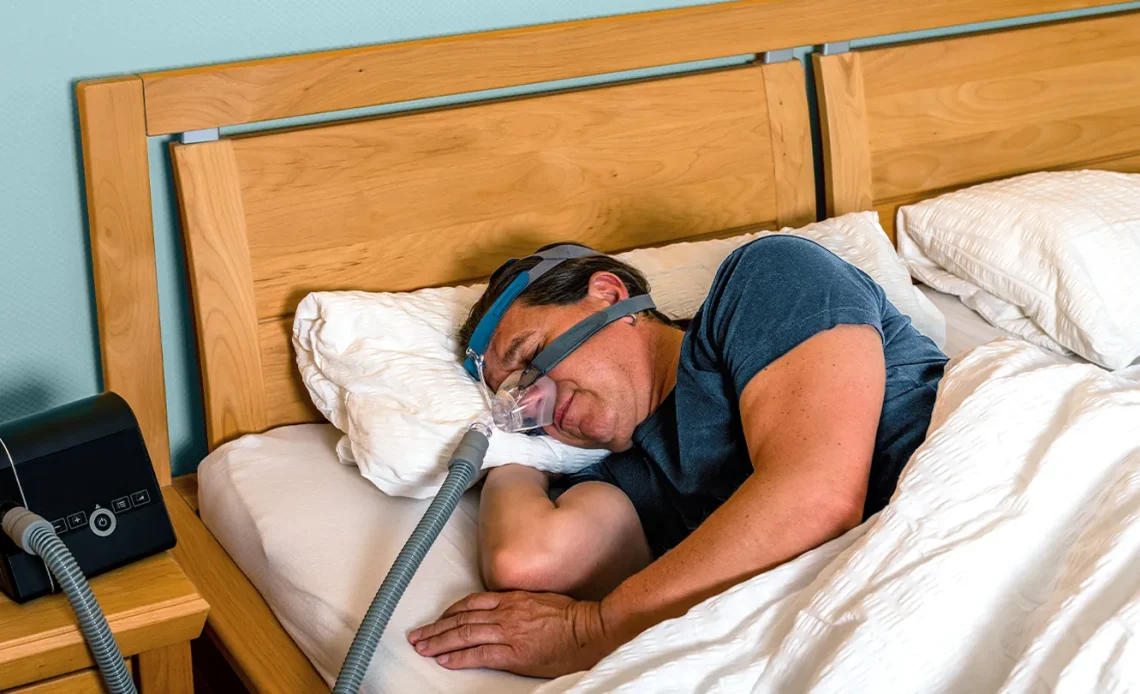
Sleep apnea is a serious condition that causes breathing to stop while sleeping several times. People with sleep apnea often snore loudly and feel tired, even after getting a good night’s sleep. This condition disrupts the individual’s sleeping pattern, even if they are unaware of it. Many people seek Sleep Apnea Treatment to manage these symptoms and improve their overall health. There are various problems that can be caused due to sleep apnea. Loud snoring, low concentration, fatigue during the day, and long-term health problems are the common symptoms of sleep apnea. There are three main types of sleep apnea, which include;
- Obstructive Sleep Apnea.
- Central Sleep Apnea.
- Complex Sleep Apnea (which is also known as Treatment-emergent Central Apnea Syndrome).
SYMPTOMS OF SLEEP APNEA
It is hard to differentiate between the symptoms of obstructive and central sleep apnea. Some of the symptoms of sleep apnea are stated below,
- Having trouble sleeping.
- Low attention level during the daytime.
- Mood swings.
- Loud Snoring and having morning headaches.
WHEN SHOULD ONE CONSULT A HEALTH PROFESSIONAL?
You must consult a health professional if you have any symptoms of sleep apnea. There is a precautionary note, where it needs to be noted that every person who snores loudly does not have sleep apnea. Consulting a health professional at the earliest stage is advisable.
WHAT ARE THE DIFFERENCES BETWEEN THE CAUSES OF OBSTRUCTIVE AND CENTRAL SLEEP APNEA?
- Obstructive Sleep Apnea: In this type of sleep apnea, the muscles in the back of your throat relax, which results in narrowing down or stopping your breathing while sleeping. If you are not getting enough air while sleeping, your brain senses a lower level of oxygen in the blood. This will lead to awakening you for a few seconds, so you can get enough air. This pattern will repeat from 5 to 30 times during the night, which will affect your sleeping cycle.
- Central Sleep Apnea: In this type of sleep apnea, your brain fails to signal to your body to get oxygen. This means that you’ll wake up at night with shortness of breath. This sleep apnea is rare, and the affected person will have a hard time sleeping during the night.
WHAT ARE THE RISK FACTORS ASSOCIATED WITH SLEEP APNEA?
- The possible risk factors associated with obstructive sleep apnea are listed below;
- A person with excess weight.
- Men are usually prone to sleep apnea 3 times than women.
- Consumption of sedatives and alcohol.
- People who are Chain Smokers.
- Sleep apnea is more common in older people.
- The possible risk factors associated with central sleep apnea are listed below;
- A person with heart-related problems.
- A person who had a stroke.
- Being a middle-aged.
CONCLUSION
Sleep Apnea is a complex disease that can be serious if left unattended. It is advisable to consult with your doctor to prevent further distress. You cannot completely prevent sleep apnea, but by addressing the risk factors, you can decrease the symptoms.