
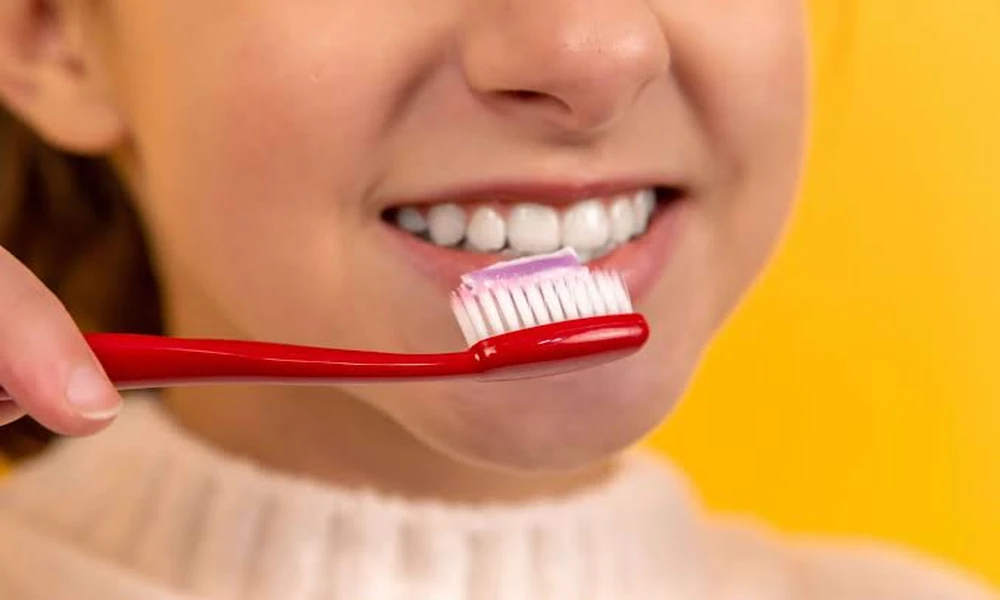
You notice it in small moments first. You cover your mouth when you laugh. You smile with your lips closed in photos. You chew on one side because a damaged tooth feels unreliable, or you avoid certain foods because you do not want pain, embarrassment, or both. That kind of self-consciousness can wear on you, even when no one else seems to notice. For people considering dental crowns and bridges in Utica, those small moments can be the first sign that it is time to restore both comfort and confidence.
Missing, cracked, worn, or decayed teeth affect more than appearance. They change how you speak, how you eat, and how comfortable you feel around other people. Restorative dentistry helps rebuild what has been lost or damaged, and that often leads to something bigger than a repaired tooth. It gives you back ease, function, and trust in your own smile.
Restorative dental care helps you stop hiding your smile
When a tooth is chipped, stained from old damage, or missing altogether, it can feel like everyone sees it before they see you. That pressure builds over time. You may turn down social plans, avoid speaking up at work, or feel tense during simple conversations.
Smile restoration treatments such as crowns, fillings, bridges, implants, and dentures can change that. They are designed to repair visible damage and restore a more natural look, which often helps you feel less guarded. According to the National Institute of Dental and Craniofacial Research, oral health is closely tied to quality of life, including comfort, self-image, and daily function. You can read more in Oral Health in America.
The confidence shift is not vanity. It is relief. When you are not worried about how your teeth look, you spend less energy managing the worry.
General and restorative dentistry improves comfort in everyday life
Pain changes your mood fast. A cracked tooth, untreated cavity, or failing dental work can make meals stressful and sleep harder. Even low grade discomfort can leave you distracted and irritable. You may tell yourself it is manageable, then realize you have been working around the problem for months.
General and restorative dentistry addresses the cause, not just the symptom. A filling can stop decay from spreading. A crown can protect a weakened tooth. A bridge or implant can restore balance after tooth loss. Once eating and speaking feel normal again, confidence tends to follow because your body is no longer sending up warning signals all day.
The CDC also recommends consistent adult oral care habits to prevent problems from growing into larger ones. Their oral health tips for adults cover the basics that support long term results after treatment.
Replacing missing teeth supports speech, bite, and self-assurance
A missing tooth does more than leave a gap. Teeth around it can shift. Your bite can change. Some words may come out differently, especially when front teeth are involved. That can make you more aware of your mouth every time you talk.
This is one of the clearest ways tooth restoration builds confidence. Replacing missing teeth can steady your bite and improve speech, while also restoring facial support. If several teeth are missing, dentures may be part of the solution. MedlinePlus offers a clear overview of dentures and how they work, including what to expect as you adjust.
You do not need to settle for adapting your whole life around one gap or several. Replacing teeth can make daily interaction feel natural again, which often matters just as much as the physical repair itself.
Restorative treatment can prevent small dental problems from becoming bigger setbacks
A lot of people wait because they are worried about cost, time, or the possibility of needing major treatment. That is understandable. Dental issues rarely improve on their own, though, and delays often turn a manageable repair into a larger one.
A small cavity may need only a filling today. Left alone, it can lead to deeper decay, pain, root canal treatment, or extraction. A cracked tooth may be saved with a crown when treated early, but if the crack worsens, the options narrow. Confidence suffers too, because uncertainty hangs over every meal and every appointment you postpone.
| Dental Issue | Early Restorative Care | What Delay Can Lead To | Confidence Impact |
|---|---|---|---|
| Small cavity | Filling | Larger decay, pain, root damage | Less worry about pain and appearance |
| Cracked tooth | Crown or bonding | Fracture, infection, tooth loss | More comfort when eating and speaking |
| Missing tooth | Bridge, implant, or denture | Shifting teeth, bite changes, bone loss | Less self-consciousness about gaps |
| Worn dental work | Replacement restoration | Leakage, decay, breakage | More trust in your smile day to day |
Confidence grows when your treatment plan fits your real life
One reason people avoid care is the fear of being pushed into a plan that feels too big, too expensive, or too fast. Good restorative care is not one size fits all. It should reflect your health, your goals, and what you can realistically manage.
If you need one filling, that matters. If you need to rebuild several teeth over time, that matters too. A thoughtful plan can prioritize urgent issues first, protect your oral health, and spread treatment in a way that feels doable. That reduces stress, and when stress drops, people are more likely to follow through and see lasting results.
Three practical steps you can take now
Pay attention to the workarounds you have normalized. If you chew on one side, avoid smiling, skip certain foods, or feel anxious about a specific tooth, write it down. Those habits often reveal where restorative treatment could help most.
Schedule an exam before the problem gets louder. Early care usually gives you more options. It also gives you clearer answers, which can ease the mental load that comes from guessing how bad things are.
Ask for a staged treatment plan. If cost or time feels overwhelming, ask what needs attention first, what can wait, and which treatments protect both function and appearance. You deserve a plan that fits your life.
You do not need a perfect smile to feel confident. You need a smile that feels healthy, stable, and like your own again. Restorative dental care can help you get there, one repair at a time. If you have been putting it off, this is a good time to take the next step and schedule a visit with a general and restorative dentist.