
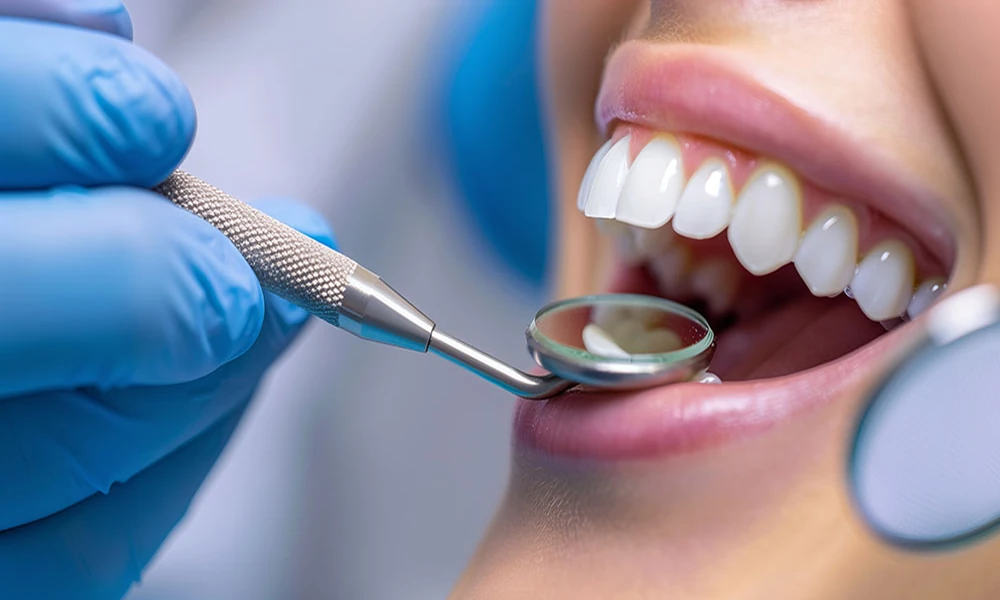
You may be focused on the part you can see. A chipped edge, short teeth, worn enamel, crowding, old bonding that no longer matches. You want your smile to look better, and that makes sense. What often gets missed is the part you feel without always noticing it, which is how your teeth meet every time you bite, chew, clench, and swallow. A Los Angeles restorative and cosmetic dentist can help evaluate both appearance and function.
If that bite is unstable, changing the shape of teeth can create new problems instead of solving the old ones. A front tooth gets lengthened, then starts chipping. Veneers look good at first, then feel bulky. Jaw muscles tighten. Chewing feels off. You start wondering why a cosmetic fix turned into a comfort problem. That is why bite stability before cosmetic dental work matters so much. The look of your teeth and the function of your bite are tied together, and one should not be changed without checking the other.
Bite stability protects cosmetic results and daily comfort
Your bite is the way your upper and lower teeth contact each other. Stability means those contacts are balanced enough that your teeth, jaw joints, and muscles can work without excess strain. When that balance is off, the pressure rarely stays in one place. It spreads into tooth wear, cracks, looseness, sore muscles, headaches, or jaw pain.
Some people already know they clench or grind. Others only notice small clues. A crown keeps breaking. One side chews better than the other. The front teeth are flattening. There is a clicking sound near the ear. The jaw feels tired in the morning. The National Institute of Dental and Craniofacial Research explains that temporomandibular joint disorders can involve the jaw joints and chewing muscles, and symptoms often overlap with bite strain and clenching patterns. You can read more about TMD symptoms and causes.
Changing the shape of teeth without checking those forces first is like repainting a door that still scrapes the frame. The surface may look better, but the stress underneath is still there. In a dental setting, that can mean veneers, bonding, crowns, or contouring are placed into a bite that keeps pushing them past what they can tolerate.
Ignoring occlusion before reshaping teeth can lead to repeat repairs
This is where cost and frustration build. A tooth may not fail because the material was bad. It may fail because the bite load was wrong. Occlusion, which is the contact relationship between teeth, affects how forces are distributed across the mouth. If one tooth or one area takes too much pressure, it tends to show the damage first.
That is why stable bite before reshaping teeth is not a small technical detail. It is often the difference between work that lasts and work that needs constant maintenance. If you have heavy wear, missing teeth, drifting teeth, a deep overbite, or a history of broken restorations, the bite deserves extra attention before any cosmetic changes are finalized.
Jaw joint health also matters here. The TMJ is complex, and pain can come from joints, muscles, habits, stress, or more than one factor at once. The overview in this TMJ disorder resource shows how broad the condition can be. Another review of occlusion concepts helps explain why tooth contacts and force patterns matter in planning care. If your bite is unstable, changing tooth shape without a full exam can lock that instability into the new design.
General and cosmetic dentist planning should match appearance with function
A good cosmetic plan is not only about shade, length, and symmetry. It is also about where your teeth touch in motion and at rest. A general and cosmetic dentist should look at wear patterns, existing restorations, jaw comfort, muscle tenderness, tooth mobility, and whether your bite shifts when you close.
Sometimes the answer is simple. Minor reshaping works well because the bite is already stable. Sometimes a night guard is recommended first because grinding is the real threat. Sometimes orthodontic movement, replacing a missing tooth, or adjusting the bite is the safer first step. You are not being slowed down for no reason. You are being protected from a result that looks good in photos and feels wrong in real life.
| Situation | If bite stability is checked first | If tooth shape is changed first |
|---|---|---|
| Worn front teeth | Length is restored with attention to force and guidance | Edges may chip or feel too prominent |
| Repeated broken bonding or crowns | Pressure points and grinding habits can be addressed | Repairs may keep failing in the same area |
| Jaw soreness or morning tension | Muscle and joint symptoms can shape the treatment plan | Symptoms may stay the same or get worse |
| Smile makeover goals | Appearance and function are designed together | Cosmetic work may need early adjustment or replacement |
Practical steps before changing the shape of teeth
Ask for a bite and wear evaluation. If you are considering bonding, veneers, crowns, or contouring, ask your dentist to explain how your teeth come together and whether there are signs of overload. Photos, bite records, and wear analysis can reveal more than the mirror does.
Report jaw symptoms, even if they seem minor. Clicking, headaches, facial tension, clenching, and uneven chewing are not side notes. They can change the treatment plan. What feels like a cosmetic issue may also be a function issue.
Choose the sequence, not just the procedure. Sometimes the right treatment is not “veneers now.” It may be bite adjustment, orthodontics, a protective night guard, or replacing missing support first. The order matters because why bite stability matters before changing the shape of teeth comes down to one thing: your teeth need a healthy force pattern before they get a new design.
A stable bite gives cosmetic dentistry a better foundation
You are not overthinking this if you want both a better-looking smile and a comfortable bite. That is the right goal. Cosmetic changes should fit your mouth, not fight it. When bite stability is evaluated first, you lower the risk of chipped work, sore muscles, repeated repairs, and that nagging feeling that something is off.
If you are planning cosmetic changes, start with a full evaluation from a general and cosmetic dentist who looks at function as closely as appearance. That step can save time, money, and a lot of avoidable frustration.