
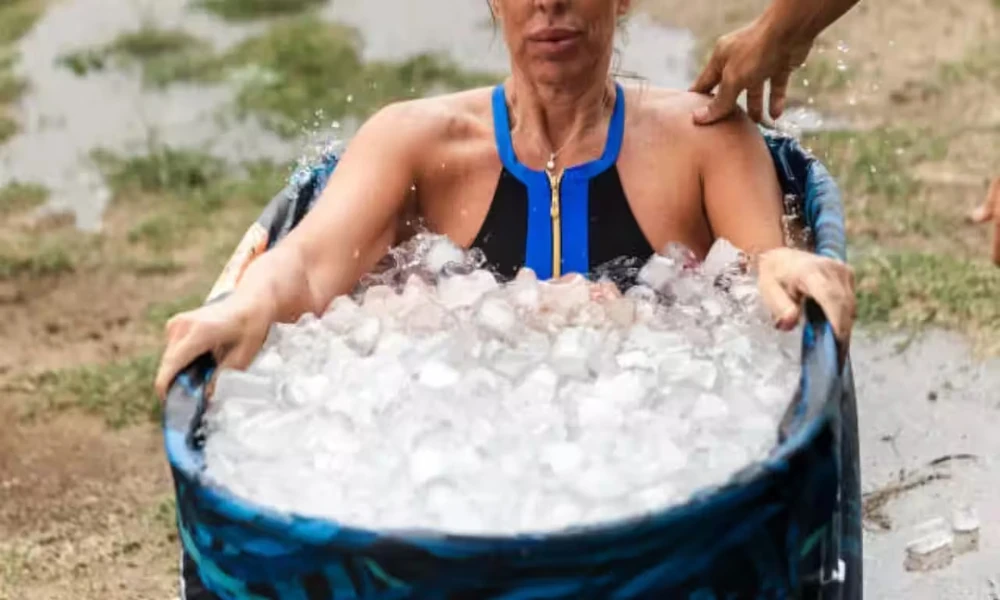
Ice baths used to be something only elite athletes did after a hard game. Now regular people are hauling tubs of ice water into their bathrooms and backyards, chasing the same buzz. So does an occasional cold dunk actually help someone who isn’t training for a championship? Here’s what the research says.
What Actually Happens in the Water
When cold hits your skin, blood vessels tighten and blood rushes toward your core. Your heart rate and breathing speed up for a moment – this is the “cold shock” people talk about. Once you settle in, your body starts working to keep itself warm, which is where most of the reported benefits come from.
What the Evidence Shows
| Claimed Benefit | What Research Actually Suggests |
| Muscle recovery | May ease soreness after intense workouts, especially HIIT; less clear for strength training |
| Mood and stress | Some studies show lower stress and better mood hours later, not instantly |
| Sleep | Mixed results; men reported better sleep in one large analysis, women did not |
| Immune function | Fewer sick days reported in a few studies, but the mechanism isn’t confirmed |
| Mental resilience | Regular exposure seems to build tolerance for discomfort and stress over time |
Doctors admit the evidence is still thin, since most studies are small. That doesn’t mean ice baths do nothing – it just means the “cure-all” claims online are ahead of the science.
Starting Safely, Step by Step
- Temperature: Begin around 59-68°F and work down toward 50°F as you adapt
- Duration: 30 seconds to a few minutes for beginners; most people plateau at 5-10 minutes
- Frequency: One to three sessions a week is typical
- Entry: Go in slowly, breathe through your nose, and never plunge alone the first time
- Timing: Avoid it right after heavy lifting if muscle growth is your goal – cold can blunt those gains
Who Should Skip It
Anyone with heart disease, high blood pressure, poor circulation, or who is pregnant should talk to a doctor first. Sudden cold exposure raises heart rate and blood pressure sharply, which can be risky for a vulnerable heart. For everyone else, short, controlled sessions in a home tub carry little real danger.
If you’d rather not fill a bathtub with grocery-store ice every time, dedicated setups make the routine far easier to stick with. Communities and gear providers such as Icedragon have grown around exactly this – giving beginners a simpler, more consistent way to try cold therapy without reinventing the process each time.
The Bottom Line
Ice baths aren’t magic, but they aren’t hype either. A few minutes of cold water a couple of times a week may genuinely ease muscle soreness, lower stress, and build mental grit, even though scientists are still working out exactly why and by how much. Start warm, keep sessions short, listen to your body, and skip it if you have a heart condition. Treat it as a small addition to good sleep, exercise, and diet, not a replacement for them, and the cold plunge trend becomes a low-risk experiment worth trying.