
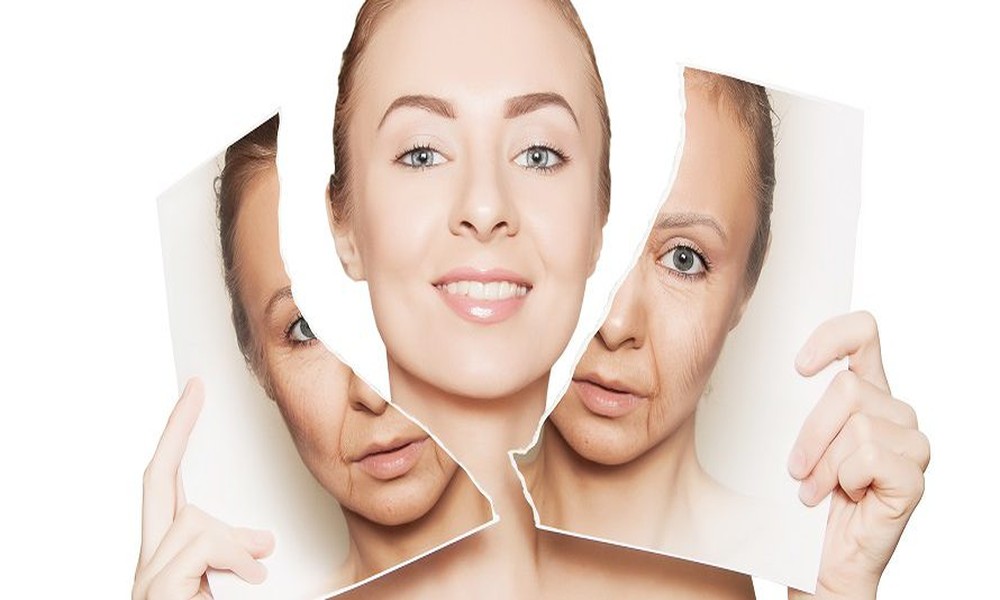
Botox has been FDA approved for cosmetic use since 2002. Over two decades of clinical data, millions of procedures performed annually, and it is still surrounded by misinformation that would be comical if it did not actually prevent people from making informed decisions about their own faces.
Here are five myths that persist despite the evidence.
## It Freezes Your Entire Face
This is the big one. The idea that Botox turns a face into an expressionless mask comes from a very specific era of bad cosmetic work in the early 2000s when practitioners used excessive doses across too many injection sites. Modern technique is conservative and targeted. A skilled injector treats specific muscles while leaving surrounding muscles untouched, preserving natural expression while softening lines. The goal in 2026 is not a frozen face. It is a face that still moves but does not hold tension patterns that create deep creases.
## It Is Only for Older Women
Preventive Botox has become one of the most common uses among patients in their late twenties and thirties. The logic is straightforward. Dynamic wrinkles (the kind caused by repeated muscle contraction) become static wrinkles (the kind that stay visible even at rest) over time. Treating the muscles before the lines become etched can delay or prevent the transition from dynamic to static. This is not vanity. It is maintenance, the same way applying sunscreen daily prevents damage that would otherwise accumulate.
## Once You Start You Cannot Stop
Botox is not addictive and stopping it does not make wrinkles worse than they would have been without treatment. The effects of each session last roughly three to four months. If treatment is discontinued, the muscles gradually return to full activity and the wrinkles resume their natural progression. The face does not “rebound” into accelerated aging. It simply returns to the trajectory it was on before treatment began.
## It Is Dangerous
Botox is one of the most studied cosmetic treatments in history. Serious adverse events are exceedingly rare when administered by a qualified, trained provider. The doses used for cosmetic purposes are a fraction of the doses used in medical applications like chronic migraine treatment or spasticity management. Side effects are typically limited to minor bruising at the injection site and occasional temporary headache. The risk profile is well established and extremely favorable.
## It Looks Obvious
Bad Botox looks obvious. Good Botox is invisible. The difference is entirely in the hands of the provider. An experienced injector understands facial anatomy, muscle interaction patterns, and the specific dose needed to soften movement without eliminating it. The people walking around with excellent Botox results are not the ones you notice. They are the ones who simply look well rested and relaxed, with no visible explanation for why.
The conversation around Botox has matured significantly, but the myths have not caught up. Understanding what it actually does and does not do is the first step toward making an informed decision either way.