
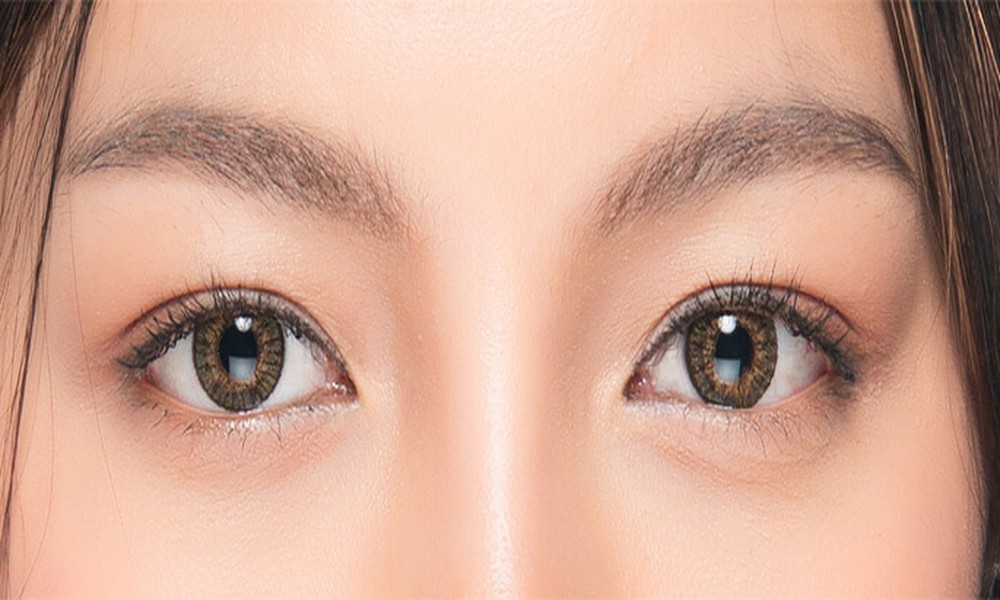
If you’ve had double eyelid surgery and start to feel that your eyes don’t look quite the same as before, or the crease appears less defined over time, it may not always be just a minor change. As time passes, eyelid shapes can naturally change due to aging, skin laxity, or loosening of the original sutures, which can affect symmetry and definition.
Many people are unsure whether these changes are normal or a sign that revision may be needed. In this article, we’ll walk you through 8 warning signs that may indicate it’s time to consider a double eyelid revision, helping you restore a more balanced and refreshed appearance to your eyes.
1. Noticeable asymmetry of the eyelid crease
Uneven eyelids can occur when the healing process on each side is not identical, or when scar tissue (fibrosis) forms and contracts at different depths or directions. This can lead to imbalance in how the eyelid crease is anchored, resulting in visibly uneven eyes. In some cases, this may indicate a need for Double Eyelid Revision. The asymmetry may be subtle at first but often becomes more noticeable during facial movements such as smiling, opening the eyes wide, or applying makeup.
In some cases, the difference may be influenced by natural facial asymmetry that becomes more apparent after surgery, or by changes in skin elasticity over time. As the tissues continue to settle and age, the imbalance can gradually become more pronounced, affecting both the height and shape of the eyelid crease and making the overall eye appearance less harmonious.
2. The double eyelid crease becomes faint or starts to fade
Over time, the fibrous tissue that supports the eyelid crease may gradually loosen, especially in suture-based double eyelid surgery. As a result, the crease can become less defined, softer, or begin to fade.
This change can be influenced by aging, reduced skin elasticity, and repeated eyelid movement. In some cases, the eyelid may slowly return closer to a monolid appearance, particularly if the fixation was not strong enough or the long-term skin tension has changed. In such situations, Double Eyelid Revision may be considered to restore a more defined and stable eyelid crease.
3. Drooping eyelids that cover the crease (ptosis or skin laxity)
This condition is often caused by age-related skin laxity or fat accumulation in the upper eyelid area. As the skin gradually sags downward, it can cover the eyelid crease, making the eyes appear smaller, heavier, and more tired. This can also reduce the visibility of the surgical crease even if it is still structurally present underneath.
In some cases, the drooping may be more noticeable in the outer corner of the eyes, and it can worsen over time due to reduced skin elasticity and weakening of eyelid support structures. These changes may also affect how the eyes open, creating a less alert overall appearance.
4. Tired or sleepy-looking eyes even after adequate rest
Changes in eyelid structure and eyelid muscle function can lead to incomplete eye opening (incomplete eyelid elevation). This makes the eyes appear constantly tired, sleepy, or lacking energy, even when the person is well-rested. Over time, this can also affect facial expression, making the overall appearance look less alert and less refreshed, and may contribute to asymmetry between both eyes in some cases.
In more persistent cases, the reduced eyelid function may also place extra strain on surrounding muscles, causing a heavier sensation around the eyes and making daily visual expressions feel less natural. In these cases, Double Eyelid Revision may be considered to help improve eyelid balance and overall eye function appearance.
5. Eyelid crease appears too thick or unnatural
This may happen when the crease is created too high or too deep relative to the natural facial proportions. As a result, the eyelid line may look harsh, overly artificial, or unbalanced with other facial features. Instead of a soft and natural fold, the eyes may appear “overdone,” especially in certain lighting or facial expressions.
In some cases, the crease may also create a visible “double line” effect or make the eyelid contour look stiff when the eyes move. This can reduce overall harmony with the face, especially if the crease does not match the natural eye shape or eyebrow position.
6. Eyelid malposition or incomplete eye closure
This condition can occur when there is excessive skin tightening or imbalance in the eyelid structure after surgery. The eyelids may not fully close during sleep or blinking, which can lead to dry eyes, irritation, and discomfort. In more severe cases, it may also affect tear film stability and long-term eye health.
Over time, this incomplete closure can increase the risk of chronic eye surface inflammation, light sensitivity, and a persistent gritty sensation, especially in dry or air-conditioned environments. In some cases, patients may also unconsciously strain the eye muscles to compensate, which can worsen fatigue around the eye area.
7. Discomfort around the eyelid area
Some individuals may experience tightness, burning, itching, or a heavy sensation around the eyelids. This may be related to scar tissue formation, nerve sensitivity changes, or chronic irritation in the surrounding tissue after surgery. If persistent, it can affect daily comfort and eye movement.
In some cases, these sensations may become more noticeable during long screen use, exposure to wind or dry air, or when the eyes are used for extended periods, potentially leading to increased eye fatigue and reduced comfort in daily activities. In persistent cases where eyelid structure contributes to these symptoms, Double Eyelid Revision may be considered to help improve eyelid balance and comfort.
8. Development of multiple eyelid folds (triple or irregular creases)
This can happen when the skin attachments are uneven or when the original crease loosens partially over time. As a result, multiple overlapping folds may form, making the eyelid look uneven or “wrinkled.” This can also make eye makeup application more difficult and reduce overall symmetry and smoothness of the eyelid appearance.
In some cases, these irregular folds may become more noticeable when the eyes are open wide or during facial expressions, which can further affect the natural flow and definition of the eyelid contour.
Signs that may indicate the need for Double Eyelid Revision include uneven eyelids, fading or loss of the crease, droopy eyelids that cover the fold, or eyes that still look tired despite enough rest. Other signs are an unnatural crease (too thick or too harsh), incomplete eye closure causing dryness or irritation, eyelid discomfort such as tightness or heaviness, and multiple or uneven folds that make makeup application difficult. If these issues persist, a specialist consultation is recommended.
For cases requiring detailed care, Lovely Eye & Skin Clinic provides meticulous attention at every stage of treatment. This is especially true for Double Eyelid Revision (แก้ตาสองชั้น) surgery, which demands precise analysis and advanced surgical techniques-particularly for complex cases or patients who have undergone previous procedures elsewhere. Supported by the Lovely Special Care team, the medical staff provides comprehensive oversight and continuous consultation during recovery, ensuring patients remain informed and confident throughout the process.