
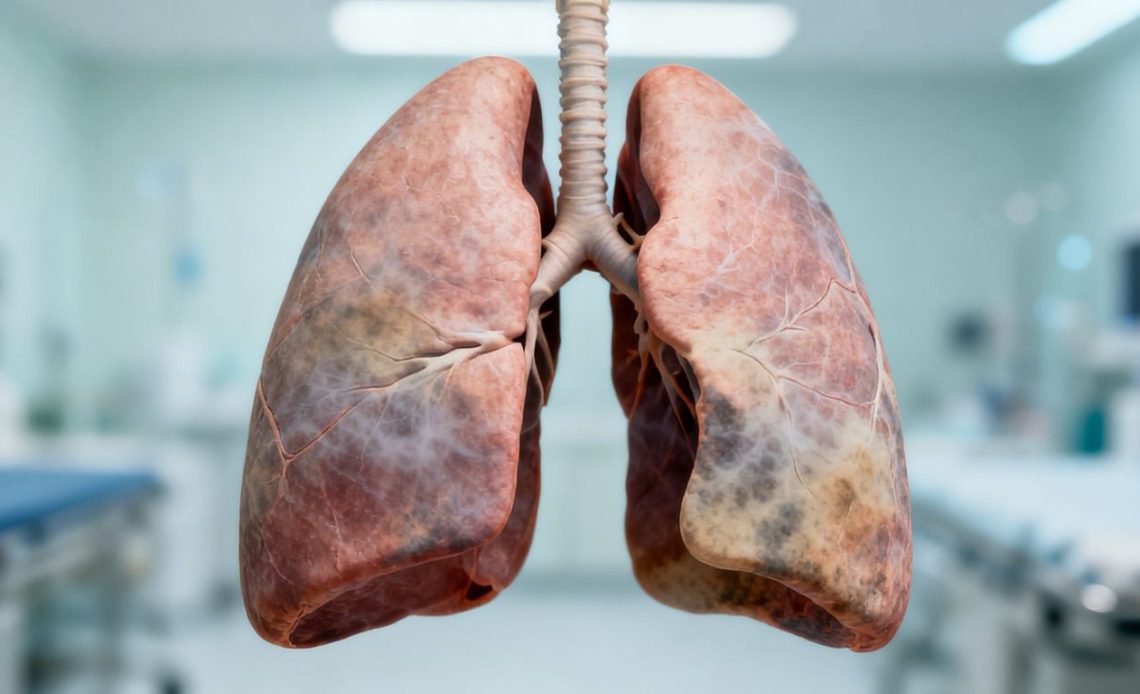
When asbestos fibers are inhaled, they can lodge in the lungs and over time lead to serious health issues, including lung cancer. It’s important to be aware of the signs, as early detection can make a difference. Many of these symptoms can mimic other, less serious conditions, which is why a thorough medical history, especially regarding potential asbestos exposure, is so important.
Persistent Cough and Bronchitis
A cough that just won’t quit is often one of the first indicators. This isn’t just a temporary cold; it’s a persistent cough that can linger for weeks or even months. It might feel dry, or you might notice that you’re coughing up phlegm, sometimes even with blood. This persistent cough can sometimes be mistaken for chronic bronchitis, which itself is an inflammation of the airways. If you have a history of asbestos exposure and develop a cough that doesn’t improve, it warrants a medical evaluation. Recurring respiratory infections, like bronchitis, can also be a sign that something is wrong within the lungs.
Chest Pain and Discomfort
Pain in the chest area is another common symptom that individuals might experience. This discomfort can vary in intensity and may feel like a dull ache or a sharp pain. It’s often noted that this pain can become more pronounced when taking a deep breath, coughing, or even laughing. The location of the pain might be central or spread across the chest. For those with a history of asbestos exposure, any new or worsening chest pain should be taken seriously.
Shortness of Breath
Difficulty breathing, or a feeling of breathlessness, is a significant symptom. This might manifest as feeling winded after minimal physical activity, or even experiencing shortness of breath while at rest. The lungs play a vital role in oxygen intake, and when they are compromised, this can directly impact your ability to breathe comfortably. This symptom can be linked to various lung conditions, but in the context of asbestos exposure, it’s a key warning sign that requires medical attention. If you’ve had past asbestos exposure, regular cancer screenings can help your doctor catch cancer early [dac7].
Understanding Less Obvious Asbestos Lung Cancer Indicators
While persistent coughs and chest pain are often the first symptoms people associate with lung issues, asbestos-related lung cancer can sometimes present in ways that are less immediately apparent. It’s important to be aware of these subtler signs, as they can also signal the presence of the disease.
Back and Shoulder Pain
Pain in the back or shoulders might not seem directly related to lung health, but it can be an indicator of asbestos lung cancer. This discomfort can arise if a tumor within the lung begins to press on nearby nerves or bones. This pressure can radiate pain to the back or shoulder area. It’s not uncommon for about a quarter of lung cancer patients to experience back pain as a symptom, sometimes as an early warning sign. If you’re experiencing persistent or worsening pain in these areas, especially if you have a history of asbestos exposure, it warrants a medical evaluation.
Fatigue and Unexplained Weight Loss
Feeling unusually tired or noticing a significant drop in weight without trying can also be signs of asbestos-related lung cancer. Fatigue is a common symptom across many illnesses, but when it’s persistent and accompanied by a loss of appetite or a general feeling of being unwell, it should not be ignored. Similarly, unexplained weight loss can be a sign that the body is undergoing significant changes, including the development of cancer. These symptoms often appear as the cancer progresses and affects the body’s overall health and metabolism.
Changes in Fingernails
Sometimes, changes in the fingernails can offer clues about underlying health conditions, including lung cancer. One such change is known as clubbing, where the fingertips and fingernails become rounded and wider than usual. The nails may also curve downward. While clubbing can be associated with various lung diseases, it has also been observed in some cases of lung cancer. It’s a physical change that might seem minor, but in the context of other potential symptoms and a history of asbestos exposure, it’s worth discussing with a healthcare provider. Recognizing these less obvious indicators is key to seeking timely medical attention and diagnosis for asbestos-related lung cancer.
Advanced Asbestos Lung Cancer Manifestations
Bone Pain and Headaches
When asbestos-related lung cancer progresses, it can spread beyond the lungs. This spread, known as metastasis, can lead to new symptoms in different parts of the body. Bone pain is one such manifestation. It might feel like a deep ache or a sharp pain, often in the back, hips, or ribs, and can be persistent. Headaches can also occur if the cancer has spread to the brain. These aren’t just typical headaches; they might be severe and accompanied by other neurological signs.
Swelling in the Face or Neck
Another sign that the cancer may have advanced is swelling in the face or neck area. This can happen when a tumor presses on the veins that carry blood from the head and arms back to the heart, particularly the superior vena cava. This pressure can cause blood to back up, leading to a puffy appearance in the face, a feeling of fullness, and sometimes visible swelling in the neck and upper chest. It’s a noticeable change that warrants medical attention.
Appetite and Swallowing Difficulties
As the cancer grows and affects more of the body, individuals might experience a loss of appetite. This can contribute to unexplained weight loss, which is often a sign of advanced illness. Additionally, some people may find it harder to swallow. This difficulty, known as dysphagia, can be caused by the tumor pressing on the esophagus or by general weakness and fatigue associated with the disease. These changes significantly impact a person’s quality of life and nutritional status.
When Symptoms May Appear After Asbestos Exposure
The Latency Period of Asbestos-Related Illnesses
It is important to understand that asbestos-related lung diseases, including lung cancer, do not typically manifest symptoms immediately after exposure. There is a significant delay, often referred to as a latency period, between the initial inhalation of asbestos fibers and the development of noticeable health issues. This period can be quite long, frequently spanning several decades. This extended delay is a primary reason why early detection can be challenging. Because the fibers lodge deep within the lungs and cause gradual damage over many years, individuals may feel perfectly healthy for a long time, even after substantial exposure has occurred. This makes it difficult to connect current symptoms to past environmental or occupational exposures without a thorough medical and occupational history.
Symptoms in Later Stages of Cancer
When symptoms do eventually appear, they often indicate that the asbestos-related lung cancer has progressed to a more advanced stage. This means the disease may be harder to treat effectively. Common signs that might emerge or worsen during these later stages include:
- Persistent cough: This cough may become more severe or produce blood.
- Chest pain: Discomfort in the chest can intensify or spread.
- Shortness of breath: Difficulty breathing may become more pronounced, even with minimal exertion.
- Unexplained fatigue: A profound sense of tiredness that doesn’t improve with rest.
- Significant weight loss: Unintentional loss of body mass without dieting.
- Hoarseness or wheezing: Changes in voice or a whistling sound during breathing.
It is critical for individuals with a history of asbestos exposure to be aware of these potential signs and to seek medical attention promptly if they experience any of them. Regular screenings, especially for those with a known exposure history, can play a vital role in identifying the disease at an earlier, more treatable stage. Discussing your past work and living environments with your doctor is a key step in the diagnostic process, helping them assess your risk and determine the appropriate screening schedule occupational history.
Differentiating Asbestos Lung Cancer Symptoms
Overlap with Other Respiratory Conditions
It can be tricky to pinpoint asbestos-related lung cancer based on symptoms alone. Many of the signs, like a persistent cough, chest discomfort, or shortness of breath, are also common in other lung issues. Think about things like bronchitis, pneumonia, or even just a lingering cold. These everyday ailments can sometimes mask the more serious underlying problem. This overlap is a major reason why early diagnosis can be delayed. Because these symptoms are so common, people might not seek medical attention right away, or their initial diagnosis might be for a less severe condition.
Importance of Medical History and Screening
Given how easily symptoms can be mistaken for other conditions, a thorough medical history is absolutely vital. Doctors need to know about potential past exposure to asbestos, even if it was many years ago. This information helps them consider asbestos-related lung cancer as a possibility. Regular screenings, especially for individuals with a known history of asbestos exposure, play a big role too. These screenings can help catch the cancer in its earlier stages, often before significant symptoms even appear. It’s not just about the symptoms you’re feeling; it’s about the whole picture, including your past and any potential risks.