
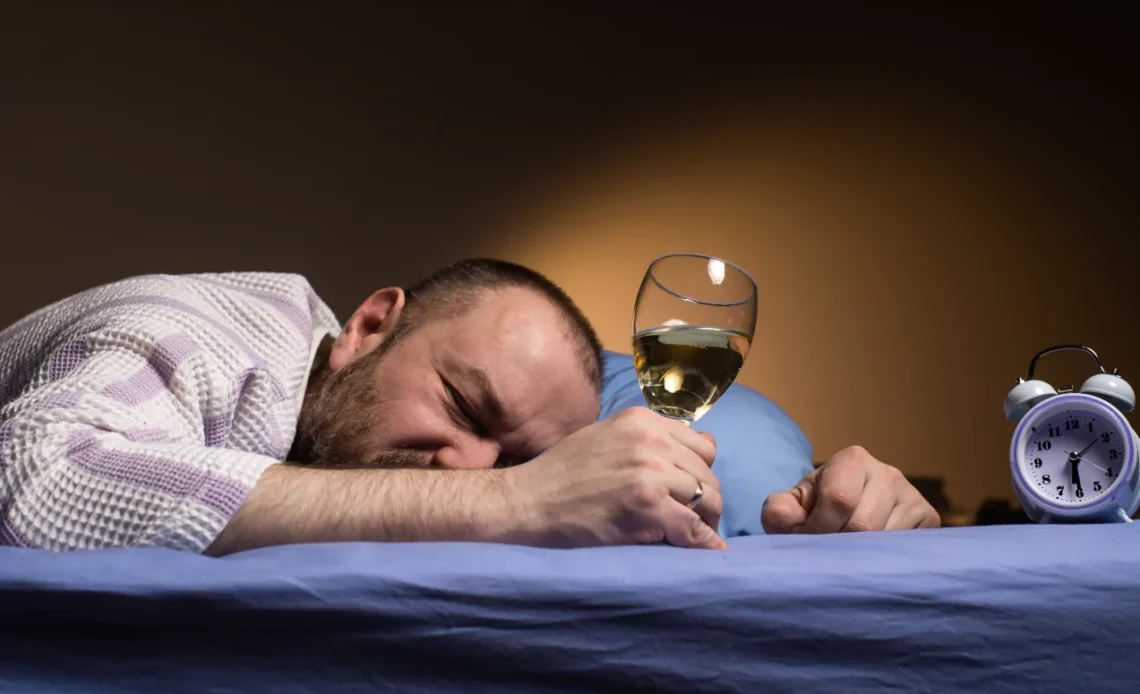
How Alcohol Disrupts Sleep
At first glance, a nightcap may seem like a harmless way to drift off. Alcohol acts as a sedative in small amounts, making you feel relaxed and sleepy. However, this drowsy effect masks a more complex disruption of your natural sleep architecture. Drinking before bed suppresses rapid eye movement (REM) sleep and diminishes deep slow-wave sleep, stages that are essential for memory consolidation and cellular repair. As your body metabolizes alcohol, your brain rebounds into heightened activity, leading to fragmented, restless sleep and frequent awakenings.
Even moderate consumption can reduce overall sleep quality. You may fall asleep quickly but wake up feeling unrefreshed, dehydrated, and irritable. Over time, this cycle exacerbates fatigue, weakens the immune system, and impairs cognitive function. People who rely on alcohol to sleep often develop tolerance, requiring larger amounts to achieve the same sedative effect—further disrupting their circadian rhythms.
Long-Term Consequences
Poor sleep caused by alcohol has ripple effects on nearly every aspect of health. Chronic sleep deprivation increases the risk of high blood pressure, weight gain, depression, and anxiety. It hampers the brain’s ability to regulate mood and decision-making, making it easier to spiral into unhealthy habits. When combined with the direct neurotoxic effects of alcohol, disrupted sleep accelerates memory loss and can contribute to the development of neurodegenerative diseases. Beyond physical health, fatigue erodes productivity and strains personal relationships.
Breaking this pattern requires addressing both the drinking and the underlying sleep issues. If you notice that you depend on alcohol to fall asleep, consider it a warning sign—not a harmless habit. Consulting with a healthcare provider can help you identify safer strategies to manage stress and insomnia.
Strategies for Restful Sleep
Reclaiming restorative sleep starts with building healthy habits. Create a consistent bedtime routine and limit your alcohol intake several hours before bed—or better yet, abstain completely. Replace evening drinks with herbal tea, water, or other alcohol-free beverages. Make your sleep environment comfortable: keep the bedroom dark, quiet, and cool. Incorporate relaxation techniques like gentle stretching, deep-breathing exercises, or mindfulness meditation to calm your mind before bed. In recovery, therapy and support groups can address the emotional triggers that lead to self-medicating with alcohol.
- Set a regular sleep schedule and stick to it, even on weekends.
- Avoid large meals, caffeine, and screens for at least an hour before bedtime.
- Engage in regular physical activity during the day to promote deeper sleep at night.
- Seek professional advice if you struggle with insomnia or suspect a sleep disorder.
Integrating Sleep Hygiene into Recovery
As you work toward sobriety, improving sleep hygiene can strengthen your resilience. Start by creating a soothing bedtime routine—dim the lights, put away electronic devices, and engage in calming activities like reading, stretching, or taking a warm bath. Cognitive behavioral therapy for insomnia (CBT-I) teaches you to associate your bed with rest rather than rumination, and many recovery programs incorporate CBT-I to address insomnia without medication. Keep a sleep journal to track patterns and identify triggers that disturb your rest, such as stress or late-night snacks. Over time, these practices reinforce your body’s natural circadian rhythm and reduce the urge to self-medicate with alcohol.
Conclusion
Understanding the impact of alcohol on sleep patterns underscores the importance of addressing both issues simultaneously. Quality sleep is a cornerstone of physical and mental well-being, and alcohol disrupts that balance. By making conscious choices to reduce or eliminate drinking, adopting healthy sleep practices, and seeking guidance through an alcohol rehab program when necessary, you can restore your body’s natural rhythm and awaken feeling truly rested.